Latest

Exposing the Donga Ilbo’s GI Crime Lies

Thanks to the ROK Heads who have shared this article with me which is one of the biggest examples of shoddy journalism I have seen in quite a while in the Korean media.  This article is in the Donga Ilbo in response to the recent GI crime incidents.  I will quote the article in full and then provide my comments after various passages:

The string of sexual crimes committed by American soldiers in Korea in recent weeks is known to have resulted from reckless recruitment of men with criminal records, mental disorders or other problems.

According to U.S. Defense Department data released in 2008 by House Oversight and Government Reform Committee Chairman Rep. Henry Waxman, the number of U.S. Army recruits convicted of felonies such as robbery or assault more than doubled from 249 (based on U.S. Army statistics) in 2006 to 511 in 2007.

Waxman blamed unconditional recruitment of soldiers amid a shortage of military manpower due to the wars in Iraq and Afghanistan.

The Felony Recruiting Myth

First of all the two soldiers accused of rape were both 21 year old Private First Classes so they were not recruited in 2006 so the linkage to felony waivers that year is irrelevant.  Since the Donga-Ilbo wants to bring this subject up I have already debunked the felony recruiting myth years ago but I will address it again here.

Over 180,000 soldiers were recruited into the military in 2007 and only 903 recruits needed a waiver.  That is .5016% of all recruits that needed a waiver which is hardly of concern.  Also the claim that felony waivers are needed to meet recruiting numbers doesn’t hold up either.  In 2007 the US Army recruited 80,635 soldiers.  511 of the soldiers had the felony waivers.  If the US Army did not allow in every recruit with a felony waiver they still would have met the recruiting mission of 80,000 soldiers in 2007.  The other important thing to realize is that these waivers are only issued on a case by case basis and signed off on by a senior field grade officer.  The vast majority of the waivers are thefts and drug crimes.  So if a teenager writes a bad check, shoplifts, or gets caught smoking marijuana, they shouldn’t be allowed in the military?  If anything these are probably people that need to join the military to learn discipline.  Out of all the felony waivers in 2007 only five were for sex crimes.  Yes five people out of 80,000 recruited that year by the Army and this is something that is supposed to be leading to increased sexual assaults in Korea?  By the way anyone wonder how many servicemembers in the ROK Army have felony convictions especially sex crimes?  Maybe the Korean media has looked into this before, but I sure haven’t seen it.

The GI Crime Myth

The Donga Ilbo article goes on:

Analysts say crimes committed by American soldiers in Korea have increased in number because a considerable portion of inexperienced soldiers are deployed to Korea. The number of crimes committed by American soldiers in Korea surged from 207 in 2007 to 316 in 2010.

First of all young men whether they are in the military or not cause more crime than older men.  So it is no surprise that younger enlisted Soldiers commit the majority of the crime.  However, sending nothing but older personnel to Korea is unfeasible.  You cannot have a military force filled with nothing but NCO’s and officers.  Any military that is effective needs to be filled with young men trained to fight.  The second thing I will point out from this passage is that these stats are not attributed to anyone.  Where did the Donga-Ilbo gets these stats from?  As ROK Heads know I have compiled USFK crime stats for years here on the ROK Drop from the USFK court martial results published every month just to be able to respond to blatant media fabrications which this obviously is.

Here is the real number of crimes committed by USFK servicemembers the last two years:

Number of Crimes Committed

  • 2009: 98 crimes
  • 2010: 153 crimes

As you can see this is much lower than what the Donga-Ilbo is claiming.  So once again where did they get their stats?  Also here is the number of USFK servicemembers convicted of crimes in Korean courts for the past 4 years:

USFK Servicemembers Convicted In Korean Courts

2007: 48 criminals
2008: 66 criminals
2009: 87 criminals
2010: 128 criminals

So overall there has been an increase in USFK crime, but not as bad as what the Donga-Ilbo is claiming.  Also something else the Donga-Ilbo doesn’t point out is that the increase in crime is caused mostly by the fact that USFK is allowing more of its personnel to drive cars which means increased driving infractions that are handled by the Korean courts.  Here is a list of traffic related crimes from 2010 compared to 2007.  My one caveat is that bodily injuries are usually from injuries sustained from a traffic accident, but this is not always the case.  Unfortunately the criminal prosecution results published by USFK don’t specify why the servicemember was convicted for bodily injury.  So all bodily injuries being traffic related is an assumption on my part.  Anyway here are the statistics:

Traffic Crimes from 2009 Compared to 2010

  • Bodily Injury – 2007: 8 – 2010: 22
  • Traffic Law Violation – 2007: 0 – 2010: 11
  • Hit & Run – 2007: 1 – 2010: 9
  • DUI’s – 2007: 13 – 2010: 28
  • Violation of Auto Management Act – 2007: 0 – 2010: 3
  • Total Traffic Crimes – 2007: 22 – 2010: 73

The driving change can be linked to an increase of up to 51 crimes in 2010 compared to 2007.  This is important context when talking about GI crime that is not reported by the Donga-Ilbo.  With that said that is why I have always believed that the best way to judge GI crime is to look at major crimes committed.  The Korean National Policy Agencyconsiders Murder, Burglary, Rape, Larceny, & Assault as major crimes when compiling Korean crime statistics.  So lets compare the number of major crimes from 2010 to prior years:

USFK Rate of Major Crimes from 2007-2010

  • 2007 – 23
  • 2008 – 15
  • 2009 – 21
  • 2010 – 48

So what crimes is causing the numbers to increase?  When the numbers are analyzed the major crimes increased in 2010 because of because of burglary and assaults.  Why are these crimes increasing?  I don’t have the data to prove anything but it could be the curfew change has allowed servicemembers to be out later and thus increasing the amount of time available to get into altercations with Koreans.  Like I said before this is just a theory with no data to support it since the court martial results do not provide any times when the incidents occurred.

The most important fact to point out is that despite the increase in GI crime, USFK still has a lower per capita crime rate than the general Korean population:

  • Korea: 1 major crime out of every 128 people
  • USFK: 1 major crime out of every 594 people

What is also interesting it was just back in July when it was reported that overall crime in the 2nd Infantry Division had dropped over the past 12 month period which the police chief of Dongducheon said was because of better educated Soldiers coming to Korea.

The SOFA Myth

Anyway the shoddy journalism from the Donga Ilbo continues:

Despite mounting crimes committed by American servicemen here, no effective measures or regulations are in place to punish them. Clause 5 under Article 22 of the Status of Forces Agreement on the deployment of U.S. forces in Korea suggests that even if an American soldier commits a violent crime such as murder or rape, Korean police can take the suspect into custody only when they directly catch him at the crime scene.

All the Korean authorities have to do is fill out paperwork requesting that a USFK servicemember be handed over to Korean custody.  This is done to ensure that the rights of the accused servicemember are protected. A SOFA is a document signed between the United States and the host country of US military personnel in order to clarify each side’s rights and responsibilities in regards to a variety of issues that arise with the stationing of US troops in a foreign country.

A SOFA between different nations is never the same because each nation has different legal and political systems that influence the way in which a SOFA is written. For example in the United States people expect that someone accused of a crime should have the right to remain silent and have access to lawyer. With that it is important to realize with Status of Forces Agreements is that unlike civilians, troops are ordered to go overseas. Since troops are under orders they are owed the legal protections they would find in the United States. Ambassador Thomas Hubbard summarizes this best, “we sent them under our system, and we owe them those protections.”

Not all countries the United States has troops in respect these rights. For example the SOFA between the US and Japan allows the military to hold servicemembers accused of crimes until they are indicted by a Japanese court, to which then they are handed over to Japanese authorities. This holding of the servicemember prior to indictment is to protect their rights to remain silent, not to have coercive interrogation tactics used against them, and have access to a proper lawyer, which is not something readily available to them if held by local Japanese authorities. It is legal differences such as this that make detailed status of forces agreements necessary.

You can read more analysis about the SOFA at this link:

The Donga Ilbo’s criticism against the SOFA is especially ridiculous considering that USFK just handed over the Soldier accused of rape in Dongducheon just like all other GI criminals after the Korean authorities submitted the proper paperwork for his transfer.

The Donga Ilbo goes on:

In other cases, Korean police must hand over the suspect to U.S. authorities if requested.

Moreover, the U.S. military has the right to reject Korea’s request to put a suspect in detention if and when it finds even a slight chance that the soldier’s rights could be infringed on in a Korean criminal investigation or trial by a Korean court. For this reason, U.S. soldiers who commit crimes are detained mostly by military police of their own units rather than Korean authorities.

In addition, if the U.S. demands that Korea hand over jurisdiction, the latter has no choice but to do so except in cases in which the crimes are deemed “exceptionally serious.” For this reason, Korea has used its jurisdiction over a U.S. military suspect in less than 5 percent of all crimes committed by American soldiers stationed here.

Why doesn’t the Donga-Ilbo provide one example of when USFK refused to hand someone over?  Just one please.  Also once again, where did the stat of 5% come from?

Shady Statistics

Here in the final passage I think we can probably attribute all these shady statistics to this well known anti-US group:

A source at the National Campaign for Eradication of Crimes by U.S. Troops in Korea said, “To minimize punishment, U.S. authorities arbitrarily judge that most crimes were committed while on official duty and thus take away jurisdiction over cases from Korean authorities,” adding, “Even in cases where Korea holds jurisdiction, only one to two U.S. soldiers as defendants are given prison sentences per year.”

The utter lies allowed to be published in the Donga-Ilbo is really astounding.  Once again can the Donga Ilbo provide examples of all these people getting away with being tried in Korean courts because USFK says they were on duty?  The only examples I can think of are traffic accidents while driving military vehicles with the most famous example being the 2002 Armored Vehicle Incident.  I would like just one example of a non-traffic related incident such as assault or rape where a GI was declared on duty to avoid being tried in a Korean court.  I would like just one example.  Then the claim that 1-2 servicemembers are given prison sentences per year in Korean courts is more lies.  Just looking back at the ROK criminal prosecution results for this year, 7 GI’s were given prison sentences.  So once again where did the anti-US groups stat come from?

USFK Needs To Do More

So I think I have made it pretty clear that this article is filled with lies that the Donga-Ilbo should be embarrassed by, but I’m sure they could care less because they are out to promote perceptions of American GI’s instead of facts.  I just wish the USFK public affairs office would do more to counter this blatant propaganda instead of allowing it to circulate unchallenged in the Korean media.  As long as USFK doesn’t dispute these lies by engaging the Korean media in Korean then the false stereotypes that many Koreans have of American GI’s will continue perpetuate.

Congress Looks To Act On The Unemployment Rate of Young Veterans

Here we go again with the unemployment rate of young veterans in the United States:

Democrats and Republicans rarely agree on anything in the nation’s capital, but there’s a growing bipartisan sense on Capitol Hill that the private sector will have to do much more to help Congress ease chronically high unemployment among veterans returning from Iraq and Afghanistan.
In August, President Barack Obama called on the nation’s businesses to hire or train 100,000 unemployed veterans by the end of 2013, a challenge that Microsoft answered with a pledge to train 10,000 of them.
Now, as part of his $447 billion jobs package, Obama wants Congress to approve a plan that would provide businesses a tax credit of $2,400 to $9,600 for each veteran they hire, depending on whether they’re disabled and how long they’ve been unemployed.
One million veterans already are unemployed and more than a million are expected to leave the military by 2016. Julius Clemente, a 33-year-old Iraq veteran from Kirkland, Wash., told a congressional panel Thursday that there will be “systematic chaos” if more of them can’t find jobs or get help going to college. [Stars & Stripes]

You can read more at the link, but I find it amazing when a veteran says they need help going to college. The Army has so many programs in place most notably the very generous GI Bill that help veterans do just that.
I have said this before, employers have to hire people that meet the skill set that they need and veterans need to make themselves competitive with other applicants before getting out of the military. That is why I have always advocated for Soldiers to take college classes while serving. The Army has gone to great length to make college classes available to its Soldiers. Even in Iraq and Afghanistan you can see Soldiers attending classes. So if someone exits the service without at least an Associates Degree, that is their own fault. Additionally if they don’t use their GI Bill benefits after they get out to get a degree in something employable than that is there own fault as well. I have seen this to often as well that someone gets a degree in liberal arts or underwater basketweaving and they can’t understand why they can’t find a job.
The second issue I see with Soldiers exiting the service is that they often go back to their home towns even though that may not be the best place for them to find a job. Many of the skill sets learned by Soldiers are more in demand in areas around military bases. Military bases hire many contractors with the vast majority of the contractors being prior service military. Depending on one’s education level and time in service a government position working for the military may even be possible. Then you add in the fact that many private defense contractors like Lockheed Martin and Raytheon also have offices located around military bases that also hire many prior service military members. Soldiers going back to their hometown after completing military service cuts off these job opportunities for them. At the same time while in the military servicemembers need to network with people that can help them land one of these jobs. Who you know can be just as important as what you know.
In my opinion veterans should not feel entitled to a high paying job after they leave the service, they need to make themselves competitive applicants which military service should be something to enhance their resume over other applicants and not be the only thing on it.

Picture of the Day: EUSA Commander on Courtesy Patrol

Eighth U.S. Army Commander John Johnson went on a curfew patrol in Seoul’s Itaewon at 2 a.m. last Saturday in a show of discipline after the rape of two Korean teenagers by soldiers under Johnson’s command. He patrolled an entertainment district frequented by U.S. Forces Korea servicemen. Johnson postponed a trip to the U.S. in order to patrol the area. In a military police uniform, Johnson walked the 100 m distance from the Hamilton Hotel to the Cheil Worldwide building accompanied by his aide-de-camp and five military police officers. He went into three bars that are popular with USFK servicemen. The aim was to enforce a 30-day curfew for all USFK personnel living in barracks put in place by USFK Commander James Thurman last Friday, according to the Eighth U.S. Army.

Via the Chosun Ilbo.

This is actually pretty sad when you think about that a 3-star General feels he has to go on CP in Itaewon

Your Chance To Ask Questions To North Korea Expert Professor Zhu Feng

Here is a rare opportunity for those interested to ask questions to a noted North Korean expert Professor Zhu Feng from the University of Peking:

In the next part of our interview series, we’ll be speaking on 15 October to Zhu Feng, an internationally renowned expert on North Korea and nuclear disarmament. As before, we’ll be asking you to send your questions to blogeditor@lowyinstitute.org .

Zhu is the deputy director of Peking University’s Center for International and Strategic Studies and one of China’s leading scholars of international relations. He is a frequent guest on Chinese television and enjoys high-level policy access as an adviser to China’s leaders.

North Korea is a major diplomatic headache for Chinese leaders, and China is central to understanding the behavior of the reclusive state. As tensions have risen again in the Korean Peninsula over the sinking of a South Korean ship and an exchange of fire between the two countries, all eyes have been on China – as the source of 60% of the North’s foreign trade and the country’s only major ally, China is the only country that appears to have much influence.

However, China has consistently refused to censure North Korea’s leaders, keeping the country’s food and oil lifelines open despite hopes that it will use them to discipline the smaller nation.  [The Interpreter]

You can read more at the link but this question and answer series is being hosted by the Australian think tank the Lowy Institute.  If anyone has any questions they want asked to Professor Zhu Feng please e-mail them to blogeditor@lowyinstitute.org.

Anyway here are a few questions I can think of off the top of my head:

  • Does China have the creditability to criticize the ROK Naval base on Cheju Island when they are developing their own aircraft carrier?
  • What is the legal basis for the Chinese government to claim the South China Sea as Chinese territory?
  • What does he think of the US military’s development of ballistic missile defenses and its BMD cooperation with Japan?
  • What would be China’s response if South Korea was to join the US BMD efforts?
  • Does Professor Feng believe space should be militarized?  If not then why did China shoot down a satellite in 2007 that has led to massive space junk problems for the international community?
  • What does Professor Feng think of the forced repatriation of refugees back to North Korea where they are either imprisoned or executed?
  • Is it true that the Chinese government is continuing its Northeast Project in order to co-opt Korean history in case North Korea was to collapse and be absorbed into China like Tibet and East Turkestan?
  • If North Korea was to collapse does Professor Feng think that the Chinese should occupy North Korea or should it be left to the South Koreans to handle?
  • What would be China’s response if the US and South Korea in response to a North Korean attack were to launch their own offensive into North Korea?
  •  Would China support a united Korean peninsula under democratic rule?
  • Why doesn’t the Chinese government stop the out of control Chinese fish boats that routinely violate South Korean waters and even murdered a South Korean Coast Guard officer?
  • China often claims it doesn’t interfere with country’s internal affairs.  With that in mind does he think it is appropriate for the Chinese embassy in South Korea to organize violent protests against Koreans?
  • China is often accused of launching cyber attacks.  What would the Chinese response be if the US was to launch a cyber attack against China in response?

I could go on and on, but I will let others discuss in the comments section what other questions should be asked of Professor Zhu Feng?

By the way thank you to the Lowy Institute for hosting this as well as to Professor Zhu Feng for agreeing to answer questions from readers.

– See more at: http://webcache.googleusercontent.com/search?q=cache:wPWOHNf5GqoJ:rokdrop.com/page/429/%3Fx%3D0%26y%3D0%252F+&cd=1&hl=en&ct=clnk&gl=us#sthash.5HnNNg3w.dpuf

Here is a rare opportunity for those interested to ask questions to a noted North Korean expert Professor Zhu Feng from the University of Peking:

In the next part of our interview series, we’ll be speaking on 15 October to Zhu Feng, an internationally renowned expert on North Korea and nuclear disarmament. As before, we’ll be asking you to send your questions to blogeditor@lowyinstitute.org .

Zhu is the deputy director of Peking University’s Center for International and Strategic Studies and one of China’s leading scholars of international relations. He is a frequent guest on Chinese television and enjoys high-level policy access as an adviser to China’s leaders.

North Korea is a major diplomatic headache for Chinese leaders, and China is central to understanding the behavior of the reclusive state. As tensions have risen again in the Korean Peninsula over the sinking of a South Korean ship and an exchange of fire between the two countries, all eyes have been on China – as the source of 60% of the North’s foreign trade and the country’s only major ally, China is the only country that appears to have much influence.

However, China has consistently refused to censure North Korea’s leaders, keeping the country’s food and oil lifelines open despite hopes that it will use them to discipline the smaller nation.  [The Interpreter]

You can read more at the link but this question and answer series is being hosted by the Australian think tank the Lowy Institute.  If anyone has any questions they want asked to Professor Zhu Feng please e-mail them to blogeditor@lowyinstitute.org.

Anyway here are a few questions I can think of off the top of my head:

  • Does China have the creditability to criticize the ROK Naval base on Cheju Island when they are developing their own aircraft carrier?
  • What is the legal basis for the Chinese government to claim the South China Sea as Chinese territory?
  • What does he think of the US military’s development of ballistic missile defenses and its BMD cooperation with Japan?
  • What would be China’s response if South Korea was to join the US BMD efforts?
  • Does Professor Feng believe space should be militarized?  If not then why did China shoot down a satellite in 2007 that has led to massive space junk problems for the international community?
  • What does Professor Feng think of the forced repatriation of refugees back to North Korea where they are either imprisoned or executed?
  • Is it true that the Chinese government is continuing its Northeast Project in order to co-opt Korean history in case North Korea was to collapse and be absorbed into China like Tibet and East Turkestan?
  • If North Korea was to collapse does Professor Feng think that the Chinese should occupy North Korea or should it be left to the South Koreans to handle?
  • What would be China’s response if the US and South Korea in response to a North Korean attack were to launch their own offensive into North Korea?
  •  Would China support a united Korean peninsula under democratic rule?
  • Why doesn’t the Chinese government stop the out of control Chinese fish boats that routinely violate South Korean waters and even murdered a South Korean Coast Guard officer?
  • China often claims it doesn’t interfere with country’s internal affairs.  With that in mind does he think it is appropriate for the Chinese embassy in South Korea to organize violent protests against Koreans?
  • China is often accused of launching cyber attacks.  What would the Chinese response be if the US was to launch a cyber attack against China in response?

I could go on and on, but I will let others discuss in the comments section what other questions should be asked of Professor Zhu Feng?

By the way thank you to the Lowy Institute for hosting this as well as to Professor Zhu Feng for agreeing to answer questions from readers.

Picture of the Day: The Greatest General We Ever Had

Via Stars & Stripes.

Tokyo, Japan, February, 1953: Gen. Mark Clark, left, head of the United Nations Command, and Gen. James Van Fleet, outgoing commander of the U.S. Eighth Army and U.N. forces in Korea, rush between events at Clark’s headquarters at Pershing Heights in Tokyo’s Shinjuku district. Van Fleet, 60, was being honored on his way home to retirement after turning over command of the war effort to Gen. Maxwell Taylor. Van Fleet was called “the greatest general we have ever had” by President Truman.

RELATED MATERIAL:
Two stories about Gen. Van Fleet’s February, 1953 stop in Tokyo:
Van Fleet regrets leaving war stalemate
Life-saving role seen for A-arms in Korea

Picture of the Day: Oh In-hye Looking Good at the BIFF

Oh In-hye image

I agree with the Marmot’s Hole that this has to be one of the greatest red carpet dresses ever.  More pictures of the actress Oh In-hye at the Busan International Film Festival can be seen at this link.

Picture of the Day: Aerial Picture of the Han River In 1960

You can read more about this photo at the link.

A Profile of Korea’s Teokgeo-ri Ville

Narrative

The city of Dongducheon is well known for being home to Camp Casey and soldiers from the 2nd Infantry Division.  This has made the Bosan-dong ville across the street from Camp Casey the main shopping and bar area for Soldiers stationed at the camp.  However, Bosan-dong isn’t the only ville in the Dongducheon area.  Camp Hovey is a smaller camp accessed from Camp Casey by a small valley known as the Hovey Cut between the two camps.  Just outside the gate of Camp Hovey is the small village of Teokgeo-ri:


Note that Teokgeo-ri has been spelled Toko-ri in the past.

At one time Teokgeo-ri was one of the sleaziest villes you could find in Korea since the clubs had to go out of their way to attract GI customers from the much larger and popular TDC Ville.  If you have ever watched the first Stars Wars movie and remember the bar with the space aliens in it in the city of Mos Eisley, that is what Teokgeo-ri was like a few years ago.

Obi-wan Kenobi once described Mos Eisley as a “wretched hive of scum and villainy”, Toko-ri wasn’t much different. However, instead of horned, green, or beady eyed aliens, Teokgeo-ri had Filipino and Russian juicy girls covered in chocolate and wax, a retarded barmaid, strippers that used to hold what was known as the P***y Olympics led by a Korean woman known as the Dragon Lady who did anatomy defying things with cigars and beer bottles, and to top it off there was even a midget. Before I had even ever stepped foot in Korea I had heard about the “Midget of Teokgeo-ri” from old crusty NCOs about how they used to “stick to the midget” especially on New Years; that is how well known she is in the US military. After seeing the midget for myself I can’t imagine why anyone would want to “stick it to the midget”, but hey to each their own.

Since I don’t have anything to do with the ville any more I’m not sure if any of this still goes on, but from what I hear Teokgeo-ri has really died down and even the midget has left the ville in recent years.  I hear that the clubs in an effort to stand out from their competition in the TDC ville are more active in prostitution.  Anyone know if this perception is true or not?

I started my walk around Teokgeo-ri from the main road that runs through the center of town.  From this road I noticed the first club I saw called the Black Jack:

As I continued to walk down the road I also saw the Fox Woods Club:

At the end of the street the road leads to Highway 364 which is a scenic drive up and over the mountains to Pocheon. I took a left and followed a small side road that leads to Camp Hovey:

The side road follows a creek on its eastern side and on the western side are more buildings from the village.  Here is the view looking across the creek towards the farm land from the side road:

Here is the view of the buildings I was approaching as I walked down the road:

This cluster of buildings were more clubs servicing Soldiers from Camp Hovey.  The first club with the Joy Club:

Next was Club Bounce and Club Hooah:

Here is the view looking back at these clubs:

Here is the view of the creek that runs through Teokgeo-ri and also flows through both Camp Hovey and Camp Casey:

This creek looks harmless enough now but when there is sustained rain this creek can really get swollen and flood which is something Camp Casey and Hovey experienced in recent years.

Here is view looking in the other direction across the rice paddies that border Teokgeo-ri:

As I walked further down the road I came upon this bridge that crosses the river:

Across the bridge there is a road that leads to Beaver’s.  Beaver’s is a BBQ restaurant frequented by US Soldiers that has been the subject of controversy in the past.  However, it was about this time that I started getting rained on pretty heavily and just decided to walk back to my car as quickly as possible instead:

As walked down the road Camp Hovey came into view:

The road in front me leads through this narrow ville, which I have had a few interesting times trying to drive a Humvee through before:

Instead of walking down the road towards Camp Hovey I took a left and headed back towards the downtown section of the city instead:

Along the way I walked by this US Army friendly hotel:

I then walked by the villages Post Office that appears to be having a problem with people leaving trash on their premises:

Here is a picture of a chicken and beer joint I passed as I walked through the ville:

Here is a side street in the middle of Teokgeo-ri I then followed where more clubs are located:

First is the DMZ Club:

Then there is the Grand Illusion:

Followed by Club NBA:

Here is the view looking back down the street at the clubs that I walked by:

From this street I then walked up a side alley to take me back to where I parked on the main road through town:

Along this road I saw few more clubs such as Club Obsession:

I then walked by the UN Club:

After coming back upon the main road through Teokgeo-ri I noticed a sign for the D&G Club:

Right next to the D&G Club was what was left of this burned down club:

Here is one final view of downtown Teokgeo-ri:

Conclusion

If it wasn’t for the fact that Teokgeo-ri is a sleazy ville it actually would be a nice place to live due to its scenic location.  The valley is quite beautiful and some people are starting to take notice of this fact as more and more large and expensive homes are being built along the hills around Teokgeo-ri.  I do have to say that in the past 10 years Teokgeo-ri has come a long ways and is not as sleazy as it once was.  Who knows maybe some day after the US military relocates from Dongducheon to Camp Humphreys further down south, maybe Teokgeo-ri will become an area more affluent people build their homes to take advantage of the village’s beautiful scenery?  With that said that concludes my walk around Teokgeo-ri.  If anyone has anything they want to add about the various clubs in the village and experiences they had in Teokgeo-ri in the past please share with everyone in the comments section.

Note: You can read more from the ROK Drop featured series “A Profile of USFK Bases” at the below link:

Comments

The flood in ’98 spawned most of the rebuilding you see today. While they have slightly polished the turd, it’s still a worthless cesspool of Horny GIs ,Flip whores, Soju laden Whiskey and Skunk OB.

I am wondering if there is any such thing as “skunk OB”.

In all the years of selling Korean beer, I never had a complaint about any of the beer tasting skunky.

Nor, outside of a GI ville, have I had strange-tasting Korean beer.

I suspect that “skunk OB” has more to do with the habit of GI bars refilling used bottles with draft beer and loosely recapping them by thumb in the afternoon.

Then, they go into the beer cooler where they loose much of their fizz and freshness after a day or three.

Ajuma brings them to the table with rapidly popped caps and nobody is the wiser.

Poor OB, which runs a squeaky-clean stainless steel and glass brewery where robots do most of the work, gets blamed for making skunky beer.

Some people deny this is possible. One guy wanted to argue that there was no way ajuma could serve him a refilled beer… he “would just know”. Besides, “I can hear the hiss when the cap comes off.” He denied my skepticism that anybody could here that in a noisy bar.

While he explained the intricacies of differentiating the nuances of opened and unopened beer, I kept eye contact, picked up an empty bottle off the bar, pressed a cap on it with my thumb… RIGHT IN FRONT OF HIM… and said, “Gosh, dude. I guess you are right. Let me buy you a beer.” I popped the top with an opener.

His attitude changed. “Thanks, man!” He lifted it back for a swig… and, of course, nothing came out.

In the history of stupid looks, it was in the top ten.

I was just up in that area today…had a lot of flood damage to many of the clubs. The Americans helped out quite a bit cleaning out their own favorite watering holes though!

“Poor OB, which runs a squeaky-clean stainless steel and glass brewery where robots do most of the work, gets blamed for making skunky beer.”

Who gets the blame for their recipes?

“Who gets the blame for their recipes?”

Budweiser.

Though this all looks scrubbed and clean compared to the Korea I remember from 1983 I sure do want to come back and take a tour. I really appreciate the photo journalism pages like this I’m finding on this site! Thanks

Just don’t make the mistake of going in December when it’s 14 below…

Note that the clubs are all several stories tall and windowless. All of the clubs are on the ground floor. What’s in the floors, above?

That is where the CSW’s are held (can’t escape if there are no windows….)

#5,

Directly or indirectly? And,while I’m at it since you know a thing or two about the booze business in Korea…Why are Korean breweries’ new products so bad?

A little useless Teokgeo-ri trivia that I learned from someone born and raised there.

The first syllable in the name is “tuk” (턱), which is the Korean word for “chin.” The second and third syllables are the word “geo-ri” (거리), which is the Korea word that has several related meanings, such as distance, range, an interval, a difference or a gap.

So…how/why did these two words get combined to make the name of a small mountainous village?

There are several trails up in the mountains, some of which are somewhat dangerous because one errant step and you could find yourself going down. So if someone took a wrong step, he/she could easily find him or herself falling into a cavity/depression of some sort and quickly be up to his/her chin in a hole. Thus, you fell to a depth (distance) “up to your chin.”

And so the name Teokgeo-ri was born.

Without giving it any thought – 99%+ of the people would guess the “ri” part of the name is the “ri” (리 里) that means village. But this is a rare case of a village name that ends with “ri” – and the “ri” means something other than village. Also, most Korean place names have Chinese characters behind the hangul spellings – but not this village. It’s name is pure Korean.

Teadrinker,

Have you not noticed that everybody is producing a “safe”, lowest-common-denominatior one-size-fits-all product?

This ranges from TV/movies/music to snacks/chain restaurants/beer to uninspired fashion/cars/consumer electronics.

Unique and appealing stuff is available… but it costs substantially more than the dreck passed off on the masses.

This is a side effect of the perverse form of macroeconomics currently being practiced and passed off as “capitalism”.

It would take pages and pages to explain… but some key points are… governments discourage small-scale innovation through over-regulation, employment law, and tax structure… large companies discourage anything but managed competition from their peers… the financial companies encourage stagnation through formula risk management… and short-term, golden parachute CEOs worrie about short-term gain at the expense of long-term failure, etc.

(Another interesting aspect is when this system fails, there will be many wagging their fingers and happily touting the “failure of capitalism”.)

So… with all this, every beer tastes like Budweiser… the lowest form of beer that is not exactly unpleasant… but certainly isn’t much more special than water.

Small companies interested in making great beer at a lower profit can’t get the approval or financing to get started and the big companies work together to keep it that way… and then they collectively try to shave pennies of cost off the thousand gallon tank by using inferior ingredients or faster processes which result in lower quality products across the board… but, with an army of focus groups, they are able to choose something the public will tolerate if they have no other choice… and then, after some time, the public forgets and the new crap becomes the new standard.

If all the contrived regulations and permits didn’t exist, any one of us could make fantastic beer out of our houses and sell it on the street at a reasonable price and make a reasonable profit… quickly becoming competition with the swill producers.

It can be done… but it requires big money. Gone are the days of Ma and Pa starting a big company out of their house and building the business one step at a time all on their own. Everyone from the big companies to the financial institutions to the government they control don’t want it to be that easy or that independent.

Actually, America has some great microbreweries but the big 3 (Bud, Miller, Coors) control distribution and lock them out best they can.

Prohibition killed many breweries and the small ones primarily came back because of one man… one kind of unexpected hero. While we love to make fun of him, we should probably always give him credit for this as we complain about him.

http://www.tnr.com/blog/jonathan-chait/76819/how-jimmy-carter-saved-beer

Anyway, that is a very babbling, unorganized, complex, and wide-ranging answer to why popular beer (and a lot of other things) suck… and seem to keep getting worse.

Hope it made sense.

Guitard,

I heard a slightly different story.

“Teokgeo-ri” does not really exist except as slang. It is not an official name… hence it is not a “ri”. It is a dong of Dongduchon. The official address is gwang-ahm-dong.

Teok-ga-ri came about because going over a hill in the area (possibly of the same name) caused one to be out of breath.

Korean slang for “out of breath” translates as “breath comes up to your chin”… which became, as you pointed out, “chin distance” or some similar idea.

I can’t vouch for my version being correct… but that’s what I heard.

#12,

With imports being increasingly popular, they could still produce a better quality product and charge a premium for it as they do in most countries. It would sell. But, as you were saying, they are shortsighted.

…The breweries are also owned by the same companies that produces and imports those imports…which makes me wonder what the markup is on imports.

  1. There are skunk beers. This happens because it is not stored properly.

A bar owner buys bulk and it sits in a non-climate controlled area; hot, cold, hot, cold…

It is exposed to the sun in summer in the back of a truck…

Expired beer.

Any combination of the above.

You get less skunks in the winter. Skunks have become more rare over the years but they most definitely exist.

Q: Why is Toko-ri CP worse than the Galactic Empire?

A: Spice isn’t the only load you have to dump before a patrol arrives.

To those of you who are interested in the concept of better beer in Korea, the following information is provided:

http://www.facebook.com/CraftworksKorea?ref=ts
http://www.craftworkstaphouse.com/
http://homebrewkorea.com/

Some folks are trying to give people good beer options – either by opening a bar or making it themselves.

Also, there’s a Korean-American guy who is running an American Craft Beer importing company here that currently supplies Anderson Valley, Lost Coast, and Rogue Brewing Company beers. They’re pricey, but good.

I lived in the old apartment complex at the far left of that 3rd pic for a long time. It used to be a foreigners only complex, sold to private individuals during our stay there (many of the apartments were subsequently renovated). That part of TDC was a nice, quiet place to live (sleazy clubs down the street, which I never visited, notwithstanding). I’d go back in a minute. Last time I was there that apartment complex wasn’t looking too good anymore, though…

The new OB beer, called “OB Gold”, is not bad. Its at least as good or better than any US mass produced beer. And I agree that being in brown bottles, cans or kegs there is little chance of a truly “skunky” Korean beer (except I suppose, Cafri, in the clear “High Life” style bottles), as “Skunky” aroma is a result of sunlight acting on the beer.

Leon,

I have heard the old “it sat around” used as an excuse… but I think it is just an excuse because nobody wants to believe they are drinking used beer.

Korean bar owners have not studied logistics nor do they speak of JIT… but they have neither the space nor the extra cash to keep weeks of unused beer lying around in a back room… so they rotate their entire supply in a week at most.

The distributors also rotate their supply quickly as storage space is expensive.

There never seems to be a skunky beer from a store, either… or Korean-only bars in non-GI areas.

I stand by my idea that skunky beer is due to the games GI bars play.

  1. Sorry CH. I personally know bar owners whose stock *might* have rotated, sitting in an (climate) uncontrolled area, for 5-6 months, maybe longer. I couldn’t believe how much beer they were buying versus how much they sold. Thinking of one owner in particular, I’m suspecting a huge bulk discount on nearly expired product. Possibly saving 3-5 cents a bottle! Oh, it’s worth it.

I know I never sold used beer in my bar but sometimes, but rarely, got a skunk.

As far as sunlight and brown bottles. Meh. Hauling brown bottles around on the back of an uncovered flatbed for a few days?…

oh man this brings back memories. was with the MP’s from 2004-2007 here. I remember the king club and mustang club the most. mustang for the crowd/music and king for the girls

I was in Camp Hovey – Toko-ri from 1966 to late 1968. I don’t know how it changed but then it was one of the most laid back places in Korea. The people were friendly and the food was great. The pot was cheap and it was mellow. The girls were all Korean, no foreign girls at all. There wasn’t a paved road anywhere to be seen, except in the camp. There were no buildings over one story that I can remember, even in camp. Most buildings were quonsets except for the mess hall and the officer’s quarters. The clubs were called the New Seoul Club and the Niagara Club, etc. A yobo (girlfriend) was $15.00 a month and it went up as you gained rank. We used to do field marches up to a place called Wang Bang Knee. If you wanted to go to TDC, you could take a Kimchi bus at the risk of your life. Going over the pass to TDC was always an adventure. The village was a floating mud puddle during monsoon season. I don’t think many of us wanted to go to TDC because we had our own little tucked away paradise. It was among the best times of my life. I would go back in a minute if it were still like that. Unfortunately it does seem to have changed a bit.

One of my buddies just returned from Hovey last week. He said Toko-ri is now Off Limits. He did say that since it is Off Limits, the MPs and the units patrols do not go there, it is a good get away.

  1. Is this an unofficial secret off-limits?

Re: OB and skunk beer – shit, when I was in Korea, I’d drink a semi-cold beer out of a homeless man’s shoe; In 1987 at 800 won, it was not a bad deal. When out and about, who cares about the beer?

As for Toko-ri: I lived a five minute walk from the main gate at Camp Casey. It was too easy just to go there. On 2 or 3 occasions, however, I wanted to see what Toko-ri might have to offer. While not dissapointed, I was not so impressed, either. I did meet one nice person at the Ace club, but not so nice that I went back. Honestly; why travel to go ride on a merry-go-round when you already live in Disneyland? I will admit that the cab rides were nice, especially if you told the adjushi to go fast; the ride through the mountains was nearly as fun as a roller coaster.

I was also stationed at Camp Hovey (1966-1968) where I met Steve Dudas and we became friends and still are. Tokori was a great little village back then. There was a road that went up behind the village along a stream – great place to stop and have a picnic – very scenic. I stayed overnight many times – returning back to base in the morning. We would buy a teapot full of Malkoli for about 40 won – drink that and smoke pot. I really had a great time there even extending my tour of duty for an additional year. Also had a great time touring much of South Korea. The people were very grateful for us being there and protecting them.

Looking at these pictures – I can’t believe how much everything has changed.

Toko-ri was a “ri” at one point. Mail to my hooch off base back in the 80′s was Kyonggi-do, Tongducheon-Shi, Kwang-am-dong, Toko-ri, and whatever the street address was.

I was stationed at Camp Hovey from 1989 -1990! I spent so much time “down range” in the ‘vill my buddies called me the Mayor of ToKoRi! You could usually find me at the Enjoy Club swilling something cold, hardly ever OB. I think they sold Bud there, can’t remember! Usually had a LBFM close by trying to hustle a drinky or a short time!! I was very glad to see the photos posted here but can only remember the “GI” Club and Jun Bar B Q! The Enjoy club was up that alley between the two in the pic! Tried to go by there the day before I PCS’ed but the place had been shut down for some reason. I’d like to go there again and see the place, but I am too old now to “Enjoy”!!!

I was stationed in Yongsan at the 121 Evac Hospital from 1979-1980. One of the few things that I didn’t like about Korea was that the beer sucked. There were 2 types, OB (OB is an appropriate name since it tasted like Obstetrical drainage) & Crown (less nasty in my opinion but not by much). I went back to Korea for a week after I retired in 1996 on the way to my wife’s home in Cambodia & they had Budweiser. It’s not great like Guinness, German, or Czech beers but it’s better than OB or Crown. I drank oceans full of soju, mokoli, & oscar when I was stationed there. The pot was just ok but you could get different pills or codeine cough syrup in the Korean pharmacies. For any law enforcement personnel reading this that is just what I heard. The year I spent in Korea was the best year of my life, it was one big party.

Perhaps drinking OB is just an acquired taste. I know that after several months in Korea, I acquired the taste quite nicely, thank you. Hell, I could even drink that wierd-ass “champagne”, Oscar, and not toss my biscuits. If one can tolerate (or even enjoy) soju or makkoli, one could certainly like OB!

Did anyone ever try kolyangju? It is a Chinese whiskey; that shit gave me a three day hangover. Never again!

Ahh Hovey ville! My first introduction to military night life in 1990. My first drink, my first time over seas, first time experiencing the “Drinky” culture…..the days. I love your comparison between the Casey ville and Hovey Ville…too accurate. I used to love going to Hovey Ville because I knew that all other G.I.’s were in Casey. But one time they shut Casey down and put it off limits, that night I think half of 2ID was in Hovey ville. I had never seen it so crowded. Thanks for the pics and memories.

Sorry for the double post – but this is a more appropriate place for this:

I went out the Camp Hovey gate and drove through Tokori last night. It was sometime between 9:00 and 10:00pm on a Saturday — and I literally did not see a single soldier.

My how things have changed . . .

Wow! I was stationed at Cp Hovey 69-71. I was a “Ville Rat” and actually married a girl from there, two sons, and doing well. It was a little broken down village and I can’t believe how it has changed. When you walk out the Hovey gate I actually bought the first building to the right, don’t know if it’s still there (if so I own it lol), it had been bought by a former MSG, two rooms and pretty snazzy for Tokori, I think I paid like $300, huge sum in those days…aaah they were good times….

I would love to go back and visit

I like Steve Dudas’s post, why go to TDC when we had a little bit of heaven on our front door. I also remember Steve, the New Seoul and Niagra Clubs.
True story…the little stream that floated thru Toko-ri and Camp Hovey. I had snuck out without a pass and somehow got thru the front gate…to get back I used an air mattress and floated right to my barracks which was just off the stream. I don’t think I was the first to do this, they always put up wire but somehow it always got torn down…great crazy memories…..

Interesting stories on how the name Tokori came about. You learn something new all the time. I’m wondering if there are still any references to Wang Bang Knee where we did our full pack marches back in 1966-68? It was uphill all the way out and uphill all the way back. Never figured out how they did that. I suspect the name ‘Wang Bang Knee’ is a G.I. given name but I’ll let you break it down. Obviously somebody with a tauxan chargee who was bragging about it.

By the way, Bill Coughlin, I was in HHC, 2/32nd. Which company were you in?

I was at Hovey in spring and summer of 1971.
HHC 1/23. We had just come off the DMZ over at Libby bridge. Brought my girl from Changpa ri down to Toko’ri. We had a hootch just out the back gate and up on the hill on the right.
It was cool. Work on base 8-5 then down to the vill for the night and all weekends.
No having to be back by midnight and only 25% of your unit able to be on pass like it was when we were across the river.
The vill was a bit of a mud hole though,but it was in that beautiful valley. It’s funny I just moved from Irvine Ca where I lived for 24 years and it now has a huge Korean population. In 2000 a Korean family bought the house next door and hearing Korean bought back lots of memories.When I tell the Koreans that I was there in the army they almost always say thanks to me for serving. I sold my house to a Korean family when I move here in Tulsa Ok. The family got $250,000 from their parents in Korea for the down payment. South Korea has come a long way.

Toko’ri was there from 84 to 86 good time had by all remember thunder runs and jungle juice thought i died and went to heaven lots of girls too hahahaha thanks for the memories do they still do the horn run on saterdays

What a deference. I was station at Hovey in 1966. What a rat hole then. Muddy streets 4 inches deep, shanty town at best. Mothers selling their daughters. I see it’s still Loaded with bars and whores. Had some fun though, culture shock back then for sure.

I was there in 1977…..mud streets, dirt roads (MSR 1 was barely paved then), tanks and 2/5 trucks on the main roads, that was To ko ri and TDC….

Then you can imagine what it was like in 1966. Same mud but probably more of it and that refreshing aroma from the rice paddies when the first spring thaw occurred. You remember that aroma, right? Straight from the hard work of the honeydippers. By the end of the first week, you didn’t even notice the smell anymore. Ah, what a place. I would go back in a minute if it still existed.

wow… is this really Tokori ? I was stationed at Hovey from oct 71 – Jan 73. I was a gate guard for some of that time, and the rest of the time I was in HHC 1/23 Inf commo, on the hill just above the Motor Pool.. or the commo chief of Combat support and spent some time on the Z. I was a 17 year old kid, and sure remember some of the best times I had in my life. I never looked at it as a bad place, I had so much fun how could I. It was a dirty mud hole that I do remember, but hell I still enjoyed my time there so much that if given the chance I would do it again…..

I was stationed at Camp Hovey from Oct 1966-1967. Met and married my first wife there. Three kids and four grandchildren later I still have mixed memories of the place. I long for the days when a dollar would buy just about anything.

Was with HHC 3/32 as Radar Operator from Jan 67 thru May 68. I totally agree with comments regarding “the time of our lives”. Toko-ri was a real eye opener for a 19 yr old. Like the old west. Spent all your money on beer in the clubs and to mamasan for the short time with the bar girls. The town was really nothing more than wooden shacks and some store fronts with dirt roads and an occassional town well. The bars and clubs were always packed with G.I.’s and the music blared in the streets from the time you walked through the Hovey gate. The surrounding rice paddies brought tears to your eyes during the spring thaws, and frozen toes when walking guard on the dikes in winter during alerts. Spent 3 months on the Z at GP Hendrix, and never regretted a day spent in Korea. It was great being 19 and innocent.

I was an 11 Bravo at Hovey in 1-503 Inf, 87-88. I raised a lot of hell that year. What sucked about Korea was that all of the NCOs and Officers lived cheek to jowl with you-no family to go home to, so they were more involved in a soldiers personal life more than at a typical stateside assignment. Also, they would pull your pass for the smallest of infractions or just for the hell of it. Having said that, outwitting NCOs and Officers was something I enjoyed doing. I had an overnight pass every night-even when I was restricted. I preferred Toko-Ri to TDC because I had my favorite bar and knew the owners and was treated pretty decently. I went back to Korea from 94-97. Things had really changed.

I was with CS 2bg 34inf in Nov1959-1960. Toki-ri was a primitive village through I drove my jeep on the way to my alert station. The streets were unpaved and often muddy. The stench from open sewers was worse than the rice paddies. When the Niagra Club opened it was a time for celebration, because it was the most substantial building in the village. There was a more convenient community north of Toki-ri that we used to village via a hole in the fence. It was necessary to traverse the rice paddies, because there was no road.

Just ran across a guy who was at Toko-Ri the same time I was there…it’s interesting that all of our memories are the same….it was a dirty little village, but it also had it’s good points, good times….I think Steve said it best, the smell was awful, but after a week you got used to it. I spent over two years there and would have spent the rest of my military career there if they let me…great crazy times

CHIPPERB… Was same unit & time as you .. 87-88. Look up Camp Hovey page on FB. What company were you with??
Tokori was THE BEST !! In 87-88 it was our ‘ville!! We loved it there!! Great clubs & places to eat once you got to know your way around. I’m not talking Vegas here but, for the time, place, & circumstances. If you’ve been there you know what I’m saying.

I was there in 91-92 as medic in the 1/5th. I can honestly say I had the time of my life down in Toko-Ri. All I can remember was the Grand Illusion and the Wild Rose or Yellow Rose. Looked a lot different 21 yrs ago. There was a lot of “juicey” girls then but you figured them out and they also figured you out. They would just await the next “Turtles” to show up. Poor girls…good times! How about that SoJu??!! Was kind of happy to throw my boots over that power line and fly outta that hole. What I really miss is the food! I’d like to get a group together and ride the train to Ouijambu(sp), take the subway to Iaetawon and party the weekend on HookerHill. Anyone remember the HeavyMetal Club or the King Club? How about drinking Kettles on the Hill when the clubs closed long enough to restock? The only place that stayed open really late or all night was that club on the top floor of the building at the bottom of Hooker Hill. I didn’t hit Seoul til I was in country for 7 months. Too much to do in TDC and Toko-Ri. “AlwaysReadySir”-Second to None

I lovedf Korea 1973-1976 Gun Fighter in Charge was with C co 1/9 inf KEEP UP THE FIRE mancho heavy dragons loved that PEACH Osker could find me at papa son club mosa>>>>11 C4 P and 95 B4 P mortors and Military Police

the club pictured that was burned out, looked like the old Olympus club….had a lot of Filipinas in there….great times!!!! HHC 1-9 1998-2000

I remember like it was yesterday, i spent my last weeks in 06 at casey,and tokori my club was the indian head. I was in search of the famous tokori midget. how i miss the cool fall, early winter nights waking in the cold with a nice soju buzz smoking a cheap Korean cigarette and watching the juicy girls tremble, wearing almost nothing…. one day i’ll go back

11B 1/38th in 77/78. I remember Toko-Ri as a great place. More class than that dump outside Fort Polk for sure. There was unofficial pressure to take up with a Yobo full time in the village to keep you away from the bar girls. I still remember the little hearts the “official” girls wore they got from their last medical checkup. Sort of a “Best used by” date.

With Charlie, 2/32, at Hovey in 1969-70. Toko-ri was always our choice…getting over to TDC took too much time and I ran into some problems there with slicky boys on a couple of occasions. Mostly hung out at the Niagara in Toko-ri with pal Sonny Koger. Yup, the place stunk to high heavens and the best part of winter was that the ville didn’t smell as bad. These pix show an entirely different place. Paved roads? Wow.

Still a little new to computers at 55, was at C 1/9th from 77 to 78. Never heard anyone mention the top 10 VD guide bill board at the Main gate at Camp Casey, have a photo of it. Tokori was mainly a week day thing when we weren,t in the field and you could hit the house boy Mr Cho up for a loan with interest, the New Seoul club was my favorite.TDC was mostly the payday weekend deal but one thing for sure I would not of traded that one year for the three spent in Germany.

1968-69 Tdc Was good for a17 year old to grow up

Served 11 months on Train Fire Range at Camp Casey from Aug. 64 to July 65. Worked at zero range where personnel learned how to set the sight on there rifle and how to use use there weapon. Served with a great group of men.
Cpl

I’ve been serving in Yongsan for a couple of years now and I’m having a great time! Funny, we are on exercise in Daegu. We were talking about the midget of Tokori yesterday and if it was an urban legend. That’s how I stumbled onto this blog through a google search. I love hearing the old stories and have a few myself.

Not to disappoint but Teokgeori is almost about shutdown. There is only maybe 4 bars still open and yes, the prostitution is still prosperous, but you dont see hardly any GIs or CPs/MPs hanging around…they mostly go to the TDC Ville now. BUT, GIs looking for a quick lay you will see out in these few clubs and it isnt that they are there for drinks only! Anyone with a brain knows what their plan is, been there done that. The prostitution goes on in the TDC Ville as well though…its all who you know and if Ajima know you or not. Pay your $200 to $300 dollar barfine and the girl is yours for the night! Not like in the 90′s when you could go upstairs for a shortime for nearly nothing! but than again, I used to get laid in a dark corner with the girl riding me…no need to pay to take her out and MPs/CPs would just turn a blind eye back than anyways. Attempt at stopping Human Trafficking from the Philippines is a joke! Talk to most of them, they use Hong Kong as the “back door” to enter Korea to work in the clubs. The club burned down in teh picture, the fat Korean guy who used to own it married a juicy and now lives in the Philippines. The Midget from Teokgeori works in a Korean bar near Camp Red Cloud in Uijeongbu. The club system will never go away as long as there are foreigners in Korea spending money…the KTO has too much power! Now if the 2ID Commander had a pair like the Osan Commander, than that would make a HUGE difference in TDC with no Filipinas! But hey, I’d like to see the Koreans come back anyways, and they are slowly gaining ground with the bar “Beerland” being all Koreans, which is nice! But in typical Korean fashion, they will suck your wallet dry if you let em! There is a club owner that used to own Hans Club across from the Bosan-Dong train station and now owns a little bar called Hans in the TDC Ville. Notorious for having her girls runaway. She even tried to prevent it one by taking the Filipinas to Pocheon to prostitute out to Koreans, but that only lasted for about a year. I’ll end, I could write a book on TDC, been there so many years and know the system used in the bars! Oh and Yongsan…dont even waste my time going there. You gotta carry an “Off-Limits” list with you just to find a place to go in Itaewon…not worth my time. Waiting to see what happens outside the Camp Humphreys gate as it grows…a small club district right now, but I foresee it growing. Again, another place easy to get laid…been there recently, done that. Break curfew, it FUN! What’s the worst that could happen, they send me home to the States?? YIPPEE!

Funny, I was in Casey in 1999 in 2/72 Armor and me and my Filipino friend went to Tokori to see the midget. I’m pretty sure she worked at the bar that was shown as burned down. Anyway, we walk in and my friend isn’t much more than 4 1/2 feet tall and the midget walks up and he starts laughing. I look at him and I look at the midget and I look back at him and I couldn’t help but laugh, too.

I just dreamt about my experiences in 93/94 there in Tokiri… what a time I had. New Seoul Club was the name of the place and the girl I liked most was Sauni. I knew nothing about life and I was introduced to it from Korea, don’t know if that is good or bad. Thanks for posting all your stories. Maybe one day I will return, only reenlisted once but was for Hawaii. Got out and moved on with life. Stay out of trouble and enjoy your service gentlemen.

1968 was a good year

Glad to hear the New Seoul Club is still around. It was there when I was there in 1966. I think it was about half way down the road that went left when you entered Tokori – before the road went out into the countryside (rice paddies, along the river). The road that went straight was the road that the Kimchi buses took to get to TDC. There was also the Niagara Club and a few others that I can’t quite remember now. The word ‘concrete’ was unknown in Tokori as the roads – both of them – were muddy ditches that the deuce and a halfs lurched through during monsoon season. And occasionally some villager would pretend he was hit by one of the Army vehicles so he/she could collect a few bucks. When I saw that on a M.A.S.H episode, it took me back because it was so true. Earl, what company were you with? I was HHC, 2/32, 7th Inf. Company clerk (original Radar O’Reilly).

127 th sig battalion Korea 67/68 101st airborne nam 69/70

Is Toko-ri even worth going to? Itaewon seems more like a tourist trap. There’s got to be some old school clubs left out there.

Mike: depends on your definition of old school, but anything that an ‘old timer’ remembers from the pre-1990s – that kind of club scene completely disappeared by the early ’90s. And it ain’t been the same ever since.

I was there in 2002 and it was pretty tame even then. Didn’t see any women covered in chocolate or wax, maybe a few giving discreet handjobs in back booths, and alas we missed the midget as well. I think the main difference these days is that you’ll be unlikely to find any Russian women there. I was in the main ville up there five years ago and it was practically all Filipinas even then, with the odd Korean woman here and there.

There are still lots of Russian women working Texas Street in Busan these days. The older ones charge W10,000 for a lady drink at the little bars along the main drag, and the younger ones tend to work the noraebangs, where they can pull more coin from a Korean clientele. There are also a lot of Russian streetwalkers in the back alleys if that’s your thing, and some of them can be pretty freaky. The drunk Russian seamen wandering about also make things interesting — they’re a friendly bunch on the whole, but things can quickly turn ugly if you’re not careful, but that’s pretty much par for the course.

All the way to Busan for a Russian chick? Too far a weeknight.

Well, there’s always Rio in It’aewon. You won’t find too many “tourists” there.

King Baeksu: I hear you brother. I’ve never been to Rio, couldn’t even tell you where it’s located.

Guitard: For what it’s worth, my definition of old school would be clubs where political correctness and the morality police are extinct. About 3 years ago there was a lot more Russians frequenting the bars in Itaewon. They must have relocated somewhere else with more earning potential.

Jan 67 to Dec 68, got there the day that N Korea took the Pueblo….cant remember the unit anymore except that I was a mechanic in the motorpool for HQ company at Hovey when it was 7th Inf…. Hard to remember much of it but Toko-ri was all mud, narrow alleys, sweet young girls and the OB was better than the Schlitz they sent over. Now I find myself needing proof that I was rotated to the DMZ where we got the agent orange. VA doesn’t have records of it even though I went thru Libby bridge so many times I didn’t need clearance. It was good times..what I remember of it..

Im from bounce club. I miss korea. I worked there for 9months and our boss have to send us home becoz clubs are getting shut down. Im happy seeing these pictures it reminds me of the day that i met alot of new people army korean pilinos …. It brings back memories hope i can get a contact no. Of the owner of bounce club. I really miss them.

#76

Don’t you know you were a victim. You were rescued from human trafficking.

Thanks GI Korea, you refreshed my memories. I was stationed on Hovey from 1998 to 1999. I just remember that I was in charge of the Warrior Passes, 2/17 FA HHB Unit, I was the king . I really had an excellent time in Tokori with my body Pedro. All those photos gave me a flash back.

A Profile of the Bosan-dong Ville In Dongducheon, Korea

Considering how popular my prior posting about the TDC Ville was I decided to publish a posting with even more information and pictures about the premier entertainment district in the 2ID area, the TDC Ville.  A recent trip to Korea gave me the perfect opportunity to walk through the TDC Ville in Dongducheon to take pictures of the various clubs and shops. For the past few years the local Korean government has really tried to fix up the ville and have even re-named it the Bosan-dong Special Tour District in effort to change the image of the ville:

Here is an excerpt from an article about why the local government is pouring roughly $5 million dollars into renovating the ville:

Mayor Oh, Sechang of Dongducheon and his city engineers have decided to give the area outside USAG-Casey’s main gate a face lift. They will be changing the looks and adding many new features to the area known as Bosandong village. Many enjoy the entertainment and shopping, which has been a feature of the area since the Korean War ended in 1950. The mayor and his engineers will add popular sports sections and popular shops such as those found in Itaewon in Seoul near USAG-Yongsan.

“Ever since the end of the Korean War, Bosandong flourished with Soldiers who would shop in the area,” said Jeon, Heung-Sik, Dongducheon Mayor’s Office particular operation region division engineer. “In 2004, the 2nd Brigade left USAG-Casey, which reduced the number of U.S. Soldiers in the area and the plan to relocate the Soldiers to USAG-Humphreys will change the customer base for good. Because Bosandong’s customer base has declined, the area has become run down. The mayor and Dongducheon City will renovate the area to attract customers of all kinds, including tourists not only from other parts of Korea, but from overseas as well.”  [Army.mil]

You can read more at the link, but it will be interesting to see if Bosan-dong ever does become a mainstream shopping area like Itaewon currently is in Seoul.  I actually took one day to go to Camp Casey and stop by the PX and look around before I decided to go and see how much the renovations have changed the ville:

The day I went to Camp Casey the weather was just perfect with sunny blue skies.  Here is the view looking under the subway bridge across the street from Camp Casey towards Camp Mobile on the right:

Picture from Dongducheon, South Korea

However, the next day when I went to go check out the ville it was raining heavily outside.  So I put on my rain jacket and proceeded to go ahead and check out the ville that morning despite the rain. Even with the heavy rain most of the pictures didn’t come out too bad plus the rain gave me the ville all to myself the morning that I did my walk through.  Little did I know that the rains would continue to fall for many days until severe flooding damaged the ville and led to this massive US military assisted clean up effort.

Anyway here is the main entrance to the ville on its north side between Camp Casey and Camp Mobile:

Picture from Dongducheon, South Korea

The renovations of hanging snowflakes and adding the brick road and instantly noticeable but really Bosan-dong still looks like the ville.  A good Korea analogy is putting make up on Songtan Sally.  It helps a little bit, but it is still Songtan Sally.

From the start of the ville a variety of clubs can be seen that run adjacent to the subway line:

Picture from Dongducheon, South Korea

This subway line wasn’t always here and there used to be a train line that ran through the ville that occasionally a drunk GI would get hit by.  Now the overpass that was constructed over 5 years ago has removed this hazard while at the same time providing a quick means of transportation to Seoul for the Soldiers stationed in Dongducheon.  As part of the local government’s efforts to clean up the ville they have not only fixed up many of the buildings but installed a number of public parks and facilities.  Here is one of the public facilities which is actually a common sight around Korea, which is publicly usable exercise equipment:

Picture from Dongducheon, South Korea

Before walking down the main strip of the ville I decided to go ahead and walk up towards the Highway 3 bypass and take some pictures from there.  While walking that way I passed a number of mink blanket shops that have been a main stay business in the ville for decades:

Picture from Dongducheon, South Korea

I know people who were stationed at Camp Casey in the 1960′s who have told me they still own their mink blanket they bought in the ville.  As walked up to the bypass I took this picture of the entrance to Camp Mobile:

For those that don’t know Camp Mobile is where the CIF facility is at where gear is issued to new Soldiers.  There is also a small runway there as well where in the past I was able to conduct helicopter insertion missions with the 1-503rd Infantry when they were stationed at Camp Casey.

Here is the major intersection that leads to Camp Casey from the Highway 3 bypass:

Picture from Dongducheon, South Korea

I can remember the traffic jams that use to plague this area a few years ago when this bridge was being built.  From the intersection I could see the old Camp Nimble water tower:

Old Camp Nimble Water Tower In Dongducheon, South Korea

This camp was closed down in 2005 as part of the USFK transformation plan to consolidate forces on the peninsula in preparation for a massive consolidation of forces on an expanded Camp Humphreys further down south.  Camp Nimble I could see was completely leveled leaving only the water tower.

From the intersection I made my way down a side alley to head back to the main area of the ville:

Picture from Dongducheon, South Korea

Here is the Miss Oh Shop:

Miss Oh Shop In Dongducheon, South Korea

Just past this shop I entered another alley where a few bars were located:

Cheers Club In Dongducheon, South Korea

Here is Cheers which was known as being an officer hang out when I was stationed at Camp Casey:

The next club used to be the Peace Club, but is now called Club Peace for whatever reason:

Back in the day the Peace Club was a nice place to hang out because they didn’t have Juicy Girls but eventually they brought in a few Juicy Girls that kind of ruined the atmosphere.

Anyway here is the Phoenix Club:

And here is the D Club:

By the way if anyone has any current information or stories they want to share about the various clubs mentioned in this posting please feel free to leave a comment.

I continued down the side alley heading back towards the main strip of the ville:

Here is the view looking back towards Club Peace:

Here is just another view of the back alley and the Poory Chop Store:

The alley exited near this park that was constructed in recent years as part of the renovation of Bosan-dong:

Not too far from the park is Phrawgh’s Tavern which some readers of this blog might recognize 😉  :

Near Phrawgh’s is Mojo’s American Bar:

Here is a picture of yet another newly constructed park that has a statue of some keys for some reason:

Anyone know what the keys are supposed to signify?

Anyway from the park I walked back over to the main entrance of the ville and took this picture of the King Club which is the first club that can be seen when walking into the ville:

Here are few of the stores and clubs further down from King Club such as the Caesar’s Palace Club:

Here is the Golden Gate Club and Bar 37:

Here is Club Ocean:

In the central area of the ville is this stage area where various public events can be held:

At one corner of the park is the Universal Paradise Club:

Here is a picture of the Harley Club and Club JJ:

Here is the Empire Club that used to be where the Black Rose was located:

The Black Rose used to the be the club that primarily only black soldiers used to hang out.  The Black Rose is nothing more than a gift shop now.  Here is a picture of the Deep Club and one of the many custom tailor shops in the ville:

I still have one of my custom suits I had made 10 years ago in TDC and still wear it from time to time.  You can get some high quality suits made in the ville for a very affordable price.

Here is the VIP Club:

Here is a picture of the joint US-Korea “Crime Prevention Center” located in the center of the ville near Bosan Station:

Here is the view looking north up the ville down the path I just walked up:

Here is the view looking south where the ville hits a three way intersection:

Notice that the path to the left takes people to the relatively new Bosan Subway Station.  The path on the right takes people to the Love Shop area of the ville:

I ended up taking the center path at the intersection that leads to yet more clubs in the ville:

I walked past first the Dragon Club:

Then the Sky Club:

Here is the Las Vegas Club:

And the Silver Star Club:

Here is the Mustang Club that a few years ago was infamous for fights but I have no idea if that is still the case today:

Here is the Together Club:

Tucked in a back alley is the Pan Korea Club which when I frequented the ville was a Hispanic Club:

Here are yet more clubs, the Player’s Club, Club Queen, and the Bridge Club:

This stretch of the ville is also home to the Rendezvous Club:

I don’t know if this is still the case but this club used to be run by a Korean mafia figure named Mr. Han.  I once saw him karate kick a guy in the face before in the bar that was causing trouble.  Anyone know if Mr. Han is still running this place?

Here is the Head Club that I always thought was the biggest fire trap in the ville:

Upstairs from the Head Club is the Deja Vu Club.  From the Head Club I detoured off on to a side alley that had yet more clubs and shops:

Here is yet another example of a custom tailor shop:

Just down the road is the Blackman Tailor Shop that has been a fixture in the ville for many years:

Down this side alley was yet more clubs such as Club Flex:

And here is the Pop Store Club:

Here is one of the few hotels that service the ville, the Hana Hotel:

Next to the Hana Hotel is the Latin Brothers Club that I don’t remember seeing the last time I was in the ville three years ago:

From Latin Brothers I walked over to the far southern end of Bosan-dong where the ville begins to transition into real Dongducheon.  Like on the north end the south end of the ville has had a makeover as well:

Since I head detoured off into the side alley from the main strip I decided to walk a little ways back up the strip to get some pictures of the clubs I hadn’t photographed yet.  Here is the Sun Club:

Here is the ACE Restaurant, the BMW Club, and the Focus Club:

Finally here is the Cowboys Club:

After taking a few photos of the clubs at the end of the ville, I then turned around to head back out the ville’s southern entrance.  The GS 25 store pictured on the left is kind of the defacto beginning of the real Dongducheon:

If I would have continued going straight down the street it would have taken me towards downtown Dongducheon.  Instead I took a left and headed towards Highway 3 that runs between the ville and Camp Casey.  Here is a picture I took of the alley that runs between the ville and Bosan Station:

This is a picture of the intersection with Highway 3.  Right goes deeper into Dongducheon while taking a left goes towards Camp Casey.  Here I took a left:

As I walked down the sidewalk this area of the ville is dominated by the massive Bosan Station that looks like a giant space ship landed in the middle of Dongducheon:

If this station is secretly an alien space ship at least they brought the Ono Sports Bar & Grill with them:

Across the street from the station was a few more bars and businesses:

Here is Club W:

Here is Marty’s American Sport’s Bar and Grill:

I can remember when Marty’s opened it was one of the nicest places to eat in the ville.  I don’t know if that is still the case considering all the other restaurants that have opened up as well in Bosan-dong in recent years.  For example here is a Brazilian BBQ house called Bossa Nova Grill:

I don’t know if this place is any good but it smelled good when I walked by.  As I continued down the sidewalk I saw plenty of other restaurants in this section of the ville as well:

Here is the Zula Bar & Grill which another one of the new restaurants in the ville:

The ville is of course also full of plenty of pawn shops, money exchanges, game and DVD shops, etc. that are fixture of just about every ville in Korea:

While walking back to Camp Casey, right across the street from the camp is the highly controversial Julie’s Realty:

Many ROK Drop readers may remember that Julie’s Realty was linked to BAH fraud down in Seoul.  I don’t know if they are still trying to pull the old housing fraud trick on servicemembers now, but walking by it appeared they were doing pretty good business:

Here I am looking south standing next to the bus stop across from Camp Casey:

In this area of the ville across the street from Camp Casey many coin and plaque shops can be found since Soldiers can easily visit these places during lunch in order to pick up various items for their units:

One of the unusual aspects of Korea when compared to state side assignments is how many people are always coming and going due to the one year tours that many Soldiers still receive to come to the 2nd Infantry Division.  Every time a Soldier leaves their unit it is customary to have what the Army calls a “Hail and Farewell” to welcome new personnel and farewell departing personnel.  The departing personnel usually are given a plaque or some other gift for their time with the unit which means shops like the one pictured above due brisk business.  The ajushi that work in these shops actually do really good work for a relatively good price.

Something surprising to me looking across the street is how this road that runs adjacent to Camp Casey has been widened:

This used to be a very narrow road that ran through a tight cluster of homes here.  All the buildings on the left side that bordered the base have been knocked down.  This little ville used to be a popular place for married Soldiers to find cheap housing for their families if they decided to bring them to Korea.

Here is the view across the street of the ubiquitous KNP buses that are pretty much parked near every major US military installation to provide security just in case any protesters show up to cause problems:

And that completed my walk around the ville.  Like I said before there has been much effort to clean the place up, but it is still the ville and always will be until the day US Soldiers leave Dongducheon.  If anyone has any stories they would like to share about the clubs pictured here or any other experiences they had in the ville please share with other readers in the comments section.

Note: You can read more from the ROK Drop featured series “A Profile of USFK Bases” at the below link:

———————————————————————————

Note: These are comments that I had to manually move over from the old ROKdrop.com site.  Please post new comments down below:

I’ve still got my Korean Blankets from 30 years ago. Never have been able to sleep with anything else on the bed in winter. They sell a similar style blanket at a local flea market, but they just don’t seem the same.

Sad to hear that Camp Nimble is no longer there. It was always fun being across the river from the 2ID and being in the 8th Army.

I don’t recognize anything in the pictures anymore.

I can’t be leave how much TDC has changed in time that i was in TDC back in 1975 thru 1976 and even when i went back in 1985 I really loved it there back then even if i was very young 21 years old then.

Lt’s see.

CIF was moved to Stanley a number of years ago. Silly but true. The only reason a soldier might ever venture onto CP Mobile is to visit ACAP or they are in the UAS platoon.

For all intents and purposes, Club Flex is the old Black Rose, same owner.

Mr. Han died a couple years ago from a “heart attack”.

The Head Club should be avoided at all costs. Den of thieves, pimps and ice washers.

Zulu and Ono’s are owned by the Empire Club folks.

Those same folks tried to force the Brazilians out of business. Didn’t work…

The Sky Club… How they are not off limits for PHT and credit card fraud, I have no idea. They seem to do the most business, or any business, after the CP’s and MP’s call it a night. I can’t think of why anyone would go there except for a hand job… But beware, they will make sweet love to your credit card. I have heard of more than one instance of them running a card for thousands of dollars in one night. I guess sometimes your credit card company will back you, sometimes not. The Sky might be in close competition with Head Club and Cheers for the biggest scum balls in the ville.

Hasn’t been updated in a long time but here’s a TDC bar review some may find of interest. Some infomis out of date. The “Taliban rating” doesn’t mean as much anymore but at the time was very relevant. Many of the mainstays are still there.

http://www.mojosbar.com/clubs/

Leon thanks for the updates. If the CIF is closed at Camp Mobile they must be keeping that base open solely because of the airfield then.

As far as Mr. Han I’m sure there is probably more to that story than just a heart attack. It sounds like the Head Club is even a shadier place than it was just five years ago. I remember having to break up some serious fights there before between GI’s. They would play the heavy metal music and somebody would start a mosh pit and before you know it a fight would break out.

Jerry,cmt#1/ I left Korea in 88′. Been back a few times,
recently in May. I too loved the mink blankets. For some
reason on previous trips they never entered my mind until
I went into the Friendship Arcade on Yongsan to visit some
of my wife’s former co-workers that are still there(2).
Laid eyes on a stack of those blankets. A rush of memories
rushed into my mind. I bought a queen sized one, only $45.
Wife says Koreans do not buy or use them anymore. She could protest til the end of time, I got my blanket! A day or two later we were in SoDaeMoon, the big market that
is a bargain mecca in Seoul. You name it they got it. Did
not see any there. I was surprised that my wife may be
correct in her statement of the the blankets being passe’

In your#3 you mentioned that “ACAP” and “UAS” platoon. What do those mean? You are very knowledgeable about
TDC. Thanks for your input.

Leon Cmt #3, not Jerry. Excuse me for the mistake in the last paragraph in getting the two guys mixed up.

GI Korea 6, you broke up fights? I don’t understand. Were you there as a customer when fights broke out?

  1. The term used previously for unmanned aircraft was unmanned-aircraft vehicle system (UAV). The term unmanned aircraft system (UAS) is the newest military acronym, to emphasize the importance of other elements beyond an aircraft itself. A typical UAS consists of the:

* unmanned aircraft (UA)
* control system, such as Ground Control Station (GCS)
* control link, a specialized datalink
* other related support equipment.

ACAP is Army Career and Alumni Program, there old timer.

Mobile was mainly were all the MWR warehouses and refrigeration was, along with their motorpool. Also, 403rd AFSB is there. That’s were all the civilian government LARS and such have (had) their offices. The flood took all that out. If I was USFK I wouldn’t even bother reopening the place and move all that stuff to the now unoccupied Camp Castle BUT I heard the ROK army is already set to move in there. Anytime there is a flood, Mobile will get hit as it is the lowest point in Bo San Dong and right next to the river.

  1. Yep GI someone in the brain trust that runs this place decided it would be a great idea to put the turtle farm and CIF at Stanley.
  2. He was either a customer, walking the ville like a good NCO or on Courtesy Patrol (CP).

Glans in 2ID they have what is called Courtesy Patrols (CP’s) that walk around the ville and basically try to keep people out of trouble. As I mentioned in my comment my experience dealing with these clubs is dated but the Head Club was usually one where trouble would break out. Leon has much better knowledge on how things are now.

Leon LaPorte 10 suggests that GI Korea was an NCO when he broke up fights. Is that true, GI Korea? Are you currently an NCO?

I imagine you as a commissioned officer.

Commissioned officers should never break up fights or put themselves in a position needing to do so. First it could cause the officer not not be seen as a higher being by rolling in the mud and the guts and the beer. Second, he is endangering the welfare of the soldiers he is attempting to assist.

As I asked a young 2LT once who was attempting to take care of “his” troops, “What if you get hit LT?”. It goes from a minor scuffle in the ville to field grade action automatically. That’s business best left to NCO’s.

Leon LaPorte,
Where do the English teachers hang out and where can one stay a night or two? Is the Hana Hotel(next to Latin Brothers Club) the only option?

Never was a whole lot of English teachers in that part of town. Last I checked, even English teachers can stay in any hotel they want.

Hawaii Hotel is cheap. The Cima in 2nd market is nice and not overly expensive (W60,000). Or were you asking something else?

When I pulled CP in Itaewon, it was always a two man team made up of a Sr. NCO and a Jr. officer. I never once had to break up a fight. Maybe I was just lucky. Come to think of it…I don’t think I was authorized to break up a fight. I think we were supposed to call the MPs (we had radios).

So GI Korea was a lieutenant or captain. When he saw a fight, he said, “You men stop fighting!” and they did.

  1. How do you know they were men? Why do you assume men would be fighting? Are you a misandrist?

Leon LaPorte, my knowledge of the military is second-hand. In old movies, officers and senior NCOs (formerly known as non-coms) addressed their troops as you men. What is it now? You men and women? You straights and gays? You whites and non-whites?

Mr Han passed away few years ago……his “wife” still runs the reindevous

GI Korea, thankyou for posting these picks. I have left comments in TDC Ville a couple of years ago. I do not recognise the village as it is nowadays. It has changed alot since 1978. Of all the pics you posted I recognize only the Rendezvous and Club Pan Korea. Not sure I would like Bosan-dong. My first and only time with two women was a short time in the ville. Back then we did not carry credit/debit cards. Don’t think they had the capability to run a card back then. Everything was on a cash only basis. Both of them were hot young Korean women. I paid them $5 each and gave them a $5 tip to split. I had them both for around an hour and a half. No Russian or Thai girls back in those days. Just the most beautiful women in Asia, Korean women. As you know it was legal for GI’s to hire lady’s of the night then. I was extremely lucky. Was the only soldier in my platoon that did not contract some sort of VD.

nice post

TY, I have many more stories of deviant and sexual exploits in the ROK. No regrets, I met my wife of 32 years there.

Wow things have really changed since ’74-’76 when I graced those streets. My favorite hang out with John McComas was in Seoul called the Heart to Heart Club, I think I still own the owner my tab. That place was awsome.

I cant belive thats the same place I was back in 1968.Camp Casy was all 7th. Inf.Div.
The streets were all dirt roads with running water on each side ( open sewers ).Soon as you went out the main gate and crossed the street ( which was only paved for 1/2 mile in each direction ) you would cross the railroad tracks and 3 to 6 girls would grab your hand and try pulling you to their hootch for a “short time” for a $1.Once past that obstacle,you might stop at the first club in the ville,the Bayonet club.Have an OB beer,listen to Jose felecieano,sing ligt my fire,the doors and the rolling stones.Then roll on down the street to your favorite club.
But hey guys,what happened in Korea,stayed in Korea.

xx

#25 Fred: What stayed in Korea was quite a few of retired guys from the military and stayed there. Some that did not retire, got out and got jobs there so they could stay. Then there are others that did not stay but took a piece of Korea with them such as I did, the lovely and gracious Mrs Fisher. We go back often to visit. I wonder how many guys lay in bed thinking of the great fun they had. Wishing they were pro-active in their decision making process. It does not take a decision to leave Korea or ETS from the Army, the conveyor belt automatically does that when your date comes up.

I flew UH-1′s out of H-220 (Camp Mobile) in 1987, B Co 2nd Avn. 2nd S & T had the Camp then, we were behind the Hot dog stand just inside Casey gate. Flew the AH-1 with 5/17 Cav out of Camp Mobile in 91/92. God the place looks bad, it used to flood every monsoon season and stink even worse than usual. Peace Club story from 1992. Place was laid back had a few whores hanging out in it that used to work the New York club back during my first tour. Anyway, some Korean TV channel news crew from Seoul was out doing some kind of expose on American GI clubs in the ville. They walked in the door of the Peace Club with the bright camera lights on and were immediatly thrown right back out in the alley by Miss Lee and some of her girls, holding their hands up to cover their faces the whole time while yelling Geseki-ya,Shibal-nam and some words I hadnt heard yet even after 2 tours. I was just walking by, on my way to the T-club and at the time sober to boot, but it was funny as hell. My wife is going back to Korea this October, I sure wish I could go with her but I have a broken ankle and can barely walk, plus a 15 year old who needs close supervision. She probably wouldn’t let me go to TDC any way, not by myself. Club JJ sure looks like the New Korea Club. Any chance of a photo tour of Toko-ri, Hooker hill or Stanley Ville?

Rich, you ask and you shall receive. The following link should give you plenty of material to read that you will find of interest:

Archive of ROK Drop’s “A Profile” Series

oh man this brings back memories. was with the MP’s from 2004-2007 here. I remember the king club and mustang club the most. mustang for the crowd/music and king for the girls

man, i did some major damage in ’08….up club- and limbo…had a girl who would cook me food and pay for the room on her days off…never paid for them….had an awesome time and would do it again….

There wasn’t one square inch of pavement or sidewalks when I was there 1967-68. Of course none of old TDC remains either, except maybe the Rendezvous Club. I wouldn’t be surprised to learn there’s now indoor plumbing…just kidding! I understand now that GIs can’t even pay a rice bill, the girls that work in the clubs aren’t Korean, probably no more VD card requirement for the girls in the clubs. I remember going to the field near Yongjugol and a bus would stop at night and half of the gals from TDC would get off and pay us a visit. And now there’re female soldiers stationed at Casey. What the heck do they do in TDC? There were the chop houses, the pawn shops, the opium dens, and 20 people hanging off the outside of the kimchee busses. No more Sgt Peppers playing from the speakers outside the clubs. Only Korean booze, cigarettes and money in the village. Everything US was contraband. And you better be back on base by midnight or your pass would get pulled. My mamasan, her girls, and the hootches with paper-thin walls. Only EM were allowed in TDC. Days of old!

After the flood the Rendezvous is now a bear, vacant lot. They say they are going to rebuild but I’ve yet to see much happen.

Cmt 32: Opium Dens???? You have got to be kidding. I was in
Korea on off and on for seven years, 64′ thru 88′. Other than
the that I concur with your comments. Would like to know if
anyone else was aware of any “opium dens”.

Semi kidding. The opium den was what we referred to as the place where you’d sit on the bare floor and a mamasan would walk around handing out joints. It was pot, not opium, but we knew it as the “opium den” in 1968. It was down an alley on the opposite side of the street from the Rendezvous. I only went there once, so it could have been a very temporary location.

#35′: That makes sense! Thanks for the clarification. I miss
Korea, anyway the Korea of the period you mentioned. I go back
often but those times were much more fun for a GI than they
are now—-in my opinion.

Wow what a HUGE change! Trains! I was in the 2nd MP Co in 79-80, when we had curfew (midnight) because of martial law. Seems like a lifetime ago, and still have vivid memories. i had a few flannel shirts Tailor made in the Ville. I swear I had them until 1990, when I mistakingly left them at a friends house. they still looked almost new too. I was in the platoon that patrolled the Vill at night. Hated it> Too many super wannabee cops I worked with. Fights every damn night, guys OD’ing on Scotie yellows etc..But OH how I miss my 13 fiancess lol. Good times. Would love to take my family to Korea some day, I turned them on to the food and as yound kids they loved it and we still eat it. Good places in NY. Glad to see TDC was modernized. I was there when someone who was angry at an MP tossed a grenade into the PMO on Xmas. Hurt a bunch of people luckily noone was killed. Like I said crazy times. Nice site glad I saw it

JACK#37: Korea is a mecca for tourist these days. You and your
family would have the time of your life there. You can book
tours thru the USO regardless of being retired military or
not. Go onto the USO website. Big bang for your buck in my
opinion. I was recently there (May/Jun). You will be amazed
at the Korea of today, I am sure of it. I was at Cp Pelham
during the time you were there. GO FOR IT.

I’m really glad I found this site and the pictures. I was station at Camp Castle in ’92-93 but haven’t been back. Fun to go down memory lane. Thanks.

There is only one club name that has survived my 1967-68 tour of duty: The Rendezvous Club. That’s it. Back then the ville was ugly and it smelled bad, but it sure had character. I went home on a mid-tour 30 day leave and came back early. Couldn’t wait to get back to the diesel stoves, the mud streets, and the behind-the-beaded-curtain chops shops that served yakimandu and Oscar champagne in TDC.

#40; Could not agree with you more! I had four tours of duty over there. When I got my orders each time, I put in for 30 days leave and made a B-line for the airport and signed up for “duty standby”at Travis AFB so I could arrive there a month before my scheduled reporting in date.

I can’t believe Las Vegas and Silver Star are still around. Do they still have the Silver Star Outlaws? I think Bar 37 used to be The Oasis Club, used to have bbq’s up on the top of that place all the time in the early 90′s. Anyone remember Studio 54?

Are there any bars or places to hang out in Bosan that aren’t full of 19 year old idiots looking for fights and prostitutes? I’m tried of dealing with them and just want a place to go after I get off duty.

  1. Yes! Try http://www.facebook.com/imjinpub

I spent many a night in the Dragon Club back in ’87. The ville sure looks much cleaner now than it did back then. Hard to belive that is the same TDC I used to go to.

any of u do knows about shella n roxanne at the king club–?

it was 2007 n 2008–with any photos of them,

Nice to see these photos again. I guess I got it again in email due to somebody’s post. The village was known as TDC, or Tongduchon, when I was there in 1967. There was no Dongducheon or Bosan-dong. All streets and allys were dirt. There was no pavement anywhere. Everything looked like it was on the verge of collapse. During the winter, the clubs were boarded up when the temps were too cold to be outside. Leaving Casey on pass, there were so many girls on each side of the walkway from the MP hootch that we felt like we were on parade. If you got too close, they’d tear your clothes off. There were hundreds of working gals in TDC. No such thing as a “juicy girl” back then. The girls were called “business girls” and could work in the clubs if they had a VD card, otherwise they had to stay outside. There were no Russian or Filipino girls in TDC- all were Korean. All GIs were male, and no officers were allowed on pass with enlisted personnel. There was a midnight cerfew and no civilian clothes were allowed. US currency was considered contraband. Possession of such was a punishable offense. Some TDC clubs had Korean bands that tried to emulate popular bands. American music played in the streets (Beatles, Union Gap, Lemon Pipers, etc.). There were no restaurants, there were only chop houses- a couple of tables behind a beaded curtain in a pawn shop. TDC was just a few years away from the Korean War in 1967, but it was the greatest and I miss it still, these 45 years later. RIP TDC.

John: Actually Tongduchon and TDC, and Dongducheon are all the same thing. But Dongducheon is the “modern” spelling. In Korean and Chinese: 동두천 東豆川.

An interesting tidbit – it means “East Bean Creek.”

TDC has evolved in many ways over the years. It’s not the same place I remember, and certainly all changes are for the better. Renaming TDC to Dongducheon is a modern touch, similar to replacing the Korean business gals with Filipino and Russian juicy girls. That too will pass. During my day, the effort was to get the GI’s money any way possible. It’s good to see the Koreans in Dongducheon are willing to spend some of it now to upgrade the city. I’m sure that is necessary for the day to come when Dongducheon is no longer a US Army camp town.

Back in the late seventy’s early 80’s my mother-in-law which is 92 now was a prominent Bosan-Dong woman group leader and own a few properties around the area back then. What a novelty I was; being a black guy married to one of the local citizen daughter. Ladies would drop by to talk to my mother in-law about this and that unexpectedly meet me. I was surprise to find out a number of these elderly woman had daughters married to GI’s and would return with pictures of their daughter who was married to GI’s accompany with address’s that they wanted to know about. I remember going down to the local book store and buying a map of the united states to better explain the where abouts of where their daughter was station or located in the US. Oh I became acquainted with my present wife while over at my buddy and his yobo hooch. My wife at the time was known as ajuma daughter would drop by to collect rent or just to chi chat with the girls that live in this complex. One day my friend yobo told me that ajuma daughter liked me so I took advantage of the situation and the rest is history. I remember a strange occurrence that happened when my house boy Mr. Kim told me he got a call from some man that wanted to know if I was married and where I was from back in the states and what I was I like. To this day I have never found out who called my houseboy asking about my personal Life. I think it was my mother- in-law. Reason is I have looked at pictures in my wife family album of her mother standing with 3 star Korean general, TDC mayor, Bosan-Dong Rep, polices chief and other prominent figure in the local area. 10 or 15 years ago I could walk around Bo-san Dong and old ladies would asked me how’s was my mother in-law was doing and had no ideal who this person might have been.
My wife explain to me any foreigner walking around would be notice and talk about. In my case so many elderly ladies had been to the house and have not forgotten me I was told. Another thing that really intrigued me on many occasions that I was privet to was how surprise Korean where when they notice how poor American soldiers where, coming from a rich nation like American. I was present at my mother in-law house when I was filling out some paper work to go to Seoul to get married consequently my mother in-law ask what is the state of black peoples in America because she had heard so many bad stories about black people treatment in America, are the white soldier more richer than black one, the man replied not necessary the soldiers they all pretty much the same coming from poor families because America do not have a draft, they join the military for a better life, to travel what ever. they have no health care and it cost a lot of money to go to school and that in general America white people are wealthier than blacks. He then looked at me and said is that true…..mother in-law replied so how can America help us when it does not help it’s own peoples. It is really funny to Korean when they see poor American can’t pay their rent. etc. with their military being so big and shiny and their peoples are so poor and needy

#51: Enjoyed your post, thanks. I do however want to know if
you comments about the “poor” in the USA refer to now or at an
earlier period. The so called poor in the US would be considered rich in other countries. Not one person in the USA ever dies from hunger. I that was to happen the socialist
would have it on the news for weeks, especially NBC. As a mailman for 19 years and having delivered in the projects up until 2007, I can assure you they all have TV’s cell phones, cars, and are well fed, compliments of the tax payers. Hot and cold running water and clothing albeit not what many outside of that environment to be considered tasteful. Their circumstances are not due in most part tobad luck or bias towards them. If you can not speak the English language properly, do not finish high school, have a criminal
juvenile or adult record, or in the case of girls have babies
with “sperm donors (not fathers), are in the 4th generation
of being programed to live off the government tit, you are doomed to never being able to “be all you can be”. You can not join the military (I was an Recruiter), few employers would ever higher you in a decent paying job with potential. They become comfortable on the “dole”. Evil shit when you consider it. The nanny state locks them into that situation. Why get a job and behave yourself when the total of handouts, housing, food, medical is provided which turns out to be about $20-30@hour. Beats whatever they would make working
on the only type of work they could get. The deaths in those
projects is outrageous. Blacks are 13% of the population and
over 50% of the prison population.

Did you stay in Army? Great move if you did. Great move to have married an Asian–in my opinion. Are you still with her?

BOSANG-DONG KYONGGIDO KOREA: 2 guys from my platoon married and stayed in TDC after their ETS in 1968. My house boy was named Kim also, but I know there were many. What unit were you from?

BOSANG-DONG KYONGGIDO KOREA: Since you did not answer my question, I suspect that you are not who/what you say you are. The Korean people laugh at the shiny US military that protects them from NK? You should know that we are there to protect the people, not to take care of them. I was there in the 60s when the MSR was dirt, the people lived in huts made of straw and mud and the children ran around dirty and naked. The people were impoverished. The smell in the air was a combination of kimchi and open sewers. The lowliest GI had more money than anyone in TDC, with the exception of the mamasans. All the girls in the clubs were Korean business girls, and the blacks (you claim to be black) were not welcomed by Koreans south of Camp Casey’s main gate. The Korean people were dirt poor but they had their gleaming ROK Army. I remember a sign hanging in a TDC shop window that read “If the 8th Army has it, we can get it”. That’s how TDC survived. Slicky boys and prostitutes. They had no viable industry. The air was full of coal dust. It was the most impoverished place I had ever seen. If you drove into the largest city, their capitol, Seoul, you saw people openly urinating on the streets. Now the people have industry. The Hyundai. Big deal. The rice paddies have been replaced by condominiums. I’ve seen the videos online. Tongduchon is now Dongducheon. It’s been given a face list. The old clubs no longer exist. The Korean business gals have been replaced by Russian and Filipina juicy girls, but guys like me who were there in the 60s will never forget what it used to be like. The Korean people today should be thankful for what they got from the US, but instead they have the nerve to laugh? At what? Don’t they know their brothers from the north have nuclear weapons aimed at them?

John#54: I was stationed in Korea in 64′(1st of 4 tour, I am very surprised that you know of two guys that ETS’d from the Army and stayed in Korea. The Army would never give a soldier discharge papers and let him choose to walk out the front gate. Everyone is put on a plane to CONUS in those days. Sounds dubious to me. The military in those days,
especially in the TDC area, had nothing regarding US contractors etc. A person can’t reside in Korea legally without being in that status or recruited by a Korean company of someone located in the states. I am curious to know if any other ROKDrop bloggers have a different take on this point.
I also think you are wrong in saying that #51 is not black.
What is that all about? The blacks were not viewed in a negative way, at least not overtly outside of the TDC area in
my opinion. Their money was wanted as well as any ones. Korea IS a big deal now in technology, electronics innovations, top rated vehicles, they are all over the middle east constructing buildings that will defy the imagination. Their Airport is considered the best in the world
I read somewhere. Get the Dec 2011 issue of Nat. Geographic
and check it out (I think that is the issue). In my opinion you are also mistaken about the nukes pointed at S. Korea
They are developing them to be sure but not to drop them on
the south. Why in the hell would they do that on a small peninsula they share and wipe themselves out too.

Wow, that brought back so serious memories. I hung at Cheers and Peace Clubs mostly and occasionally went down to Togather. Good times.

wow impressed cleaned up a lot/2nd engr bn,camp castle back when qhonsen huts,84-86,married wife died 97,kids 17 an 22,retired 2002,back in 1999,stuck uijonbue visted tdc ,seen old mr an mrs park houseboys,cant believe rendevous silverstar an some clubs still there,way many great memories,tanker ahjiema ramen lady in the field,Rich ur not the (huey pilot )stabbed me silver star 85 are you,ha ha,over chick in silver star with a beer bottle,little blood not hurt kept drinking another bar,cant keep a good combat engr down lol all good,good thing about tdc,even when ya just met back then still bonded,even though didnt know each other met at club partying,wow miss the times an memories married yong ye yun,paul friediborns girlfriend but he was married anyway ha ha,beautiful great hearted sexy women,good to me whole life till she died,THX PICS AN MEMORIES GUYS STAY ALIVE BEAT THE SYSTEM!

YEA JOHN,THEY HAD TO GO STATESIDE AN COME BACK IF WANTED TO STAY,BUT ACTIVE COULD KEEP EXTENDING I DID,THERE 99 BUNCH OF CIVILIANS EVERYWHERE LIVING NOW,WORKING ETC,I WAS STILL ACTIVE DUTY THEN TOO,64?WOW JOHN YOU HAD GOOD TIMES,CHEAP THEN IM SURE EVRYTHING BEER INCLUDED LOL

Although it has been 35yrs since I served with 1st 23/Inf Camp Hovey. After taken the bus ride to Casey for a pass, It seem so change for the future. Thanks for the good old memories of TDC………Can’t hold back the tears….again thanks……. SGT Armstrong A/Company 2nd Plt Camp Hovey 1975-1977………

Skip Hadsock response to 357

Couldn’t have been me Skip, I was at Ft Lost in the Woods in 1985, besides, I spent my Saturday afternoons and Sundays off taking MWR tours, learning Korean culture etc,etc. Not stabing fellow GI’s in the Country music club in Bosan-dong, some other guy from B co. 2nd AVN.

#51 is obviously a fake. Probably a norK trying to make a stir. It’s clear from the grammar that English is NOT the author’s first language.

I was station at Camp Castle from 81-82, 30 years ago, which was down the road from Casey. All I can say about these photos is WOW! The place has change a lot. Wish I had more photos of Castle and the ville from the time frame I was there.

My husband is stationed here at the moment, well, for the next two years. And pretty much everyone either goes to Rendevouz if you like dancing and rap music or the sportsmen for live rock band with a hot chick lead singer. So far I really like it!

Chelsea: Great “PMA” (positive mental attitude). Hope you take
advantage of the USO tours to really get an appreciation of what
Korea is like outside of the military environment if you have not
yet done so. Make sure you buy a point and shoot camera that can
go in your pocket. You will look back in retrospect and wish you
had later in life if you do not!!!

I was a plt ldr in the 1/17th Inf Bn (The Buffaloes) in 85-86. Man what a great tour. Loved partying in TDC. Yeah, I remember the Rendezvous. Obviously has had a face lift in the past 27 years… The Ville is very new and shiny looking compared to sleeze of the mid-80s…

I remember The Liberty Club, The Newhouse Club (across the tracks), The New York Club (the girls all wore evening gowns and two LTs from my Bn married girls from there), Club 54 (my favorite), and Mom’s Place (a little hole in the wall where my Bn hung out). Elysium Joy and Harley Rock n Roll (maybe the “Harley Club” in the pic above?) were little dive bars. I forget the name of the country-western shit kicker bar back then.

There were a couple of other bars on an alley over by Casey, across the main drag from “the ville” (aka “downrange” as we called it)… that stayed open later after the ville bars closed. One was The Log Cabin… I got hammered there with MG Gary Luck, our Div commander one night. Good dude, drank in the Club 57 one night and bought a round for my platoon… we were on a Thunder Run.

Good memories of my tour and real nostalgia for the mid 80s … wish I could do it again. When I was still in the Army and Guard I really wanted a return tour there… Still would like to visit but looking at these pics it’s like it’s a whole new town… In my mind the place has never changed, not sure I’d want to change that…

hello we live here right now and we i just want to map the shortest way from Jihaeng trainstation to the camp hovey gate. Does anyone know the street or landmark?? Thanks in advance.
Btw love it here, cant wait to try various different food and travel a lot.

hey you forgot to show a photo of the best breakfast restaurant in all of South Korea thats in the ville named Chongs Breakfast House. Is there a way to get photos of the ville now after the flood

I was in B Btry 1/31 Arty from 68-70 at Casey. Does anyone remember Pop Lee? He had a store/pawn shop right as you entered the ville after going over the train tracks. He could get you about anything you’d ever want.

John Chanik, #48: Sounds like you and I had the same experiences and the same memories of what it was like back then. Some of the pictures I have of the villages in the countryside look like they could have been taken in 1868 instead of 1968. Thatched roofs, rice paddies being plowed with oxen, old men carrying huge loads on A-frames. All gone, but not forgotten.

great photos. I served 4 tours.

A co 1/23 Nov 77 – Nov 78 (Cp Hovey)
B co 1/38 Dec 79 – Dec 82 (Cp Hovey)
HHC 2X NCOA Jun 84 – Sep 86 Btw Hovey and Casey)
DISCOM May 89 – May 92 (Cp Casey)

hard but good times all tours.

ed wrote:

B Co 1/38 Dec 79 – Dec 82 (Cp Hovey)

Was your company commander toward the end of this tour George Filbeck? George is now a civilian working at Yongsan.

thank you for nice picture ,,, i am iranian and i love tongdu chon city.
thank’s a lot

The only club I saw that was there in 74 75 was The Rendezvous Club. Does anybody know what happened to the Savoy Club or the New Korea Club that was next door to it?

TDC good time 1968

john you are in 1968 year book you drove a jeep

WHAT HAPPENED IN KOREA, STAYED IN KOREA EVEN THE SLANT EYE WHORES IN THE HOMES WITH SLIDING DOORS. 90% OF KOREANS MARRIED TO SOLDIERS IN KOREA WERE BUSINESS GIRLS (PROSTITUTES). ITS SO STRANGE THAT WHEN YOU ASK A SOLDIER IN THE U.S HOW HE MET HIS WIFE HE WILL SAY IN A BUS, A KOREAN SOLDIERS SISTER OR A KATUSA’S SISTER. MOST OF THE GIRLS I MET AT BARS IN KOREA, I MET AGAIN IN TEXAS , FT BRAGG , CALIFORNIA AND THEY WERE STILL DOING THEIR THING BEHIND HUBBY’S BACK. 30% OR MORE END UP DIVORCING THEIR HUSBANDS HERE IN THE U.S FOR SOMEONE WITH MORE RANK OR A GREAT PROFESSION. I REMEMBER MY NBC NCO HAD A FINE GIRL AND I WENT OUT WITH HER WHILE HE WAS IN THE FIELD AND IT WAS LIKE HEAVEN ESPECIALLY IT WAS MONSOON SEASON, WE MADE LOVE IN THAT HOOCH LIKE ROMANTIC PORNSTARS. I GOT CAUGHT WITH HER BY ANOTHER NCO HE TOLD THE COMMANDER WE BOTH DENIED IT, I GOT TRANSFERED TO INSTRUCT A RAPPELLING COURSE IN CHE-JU ISLAND. TDY . YOU FK UP YOU MOVE UP. HE STILL ENDED UP MARRYING HER. I GOT WITH HER AGAIN AND WHEN THEY CAME TO THE U.S HE WENT TO gERMANY FOR REFORGER AND GUESS WHO SPENT A MONTH WITH HER , YESSIR. AND AFTER 2 YEARS OF MARRIAGE SHE DIVORCED HIM AND MARRIED A DOCTOR ( OLDER SURGEON) AND GUESS WHO STILL GIVES HER THE LOVE INJECTIONS AND GREAT MEMORIES AND DRIVES HER IN THAT A SHE BOUGHT ME. THANK YOU JOHNNIE FROM JOHNNIE’S BAR FOR THIS ENCOUNTER. THE BIGGEST BOSS IN TDC, I WAS THERE 1979 TO 1983

SNIPER wrote:

MOST OF THE GIRLS I MET AT BARS IN KOREA, I MET AGAIN IN TEXAS , FT BRAGG , CALIFORNIA

You have a very vivid imagination.

Guitard: I think this guy Sniper went on this same rant a year or two
ago under another name. Bizarre.

I WAS IN KOREA 1963-1967 WITH THE ASA LOCATED IN CAMP CASEY. TODAYS PICTURES I LOOKED AT ARE A LOT DIFFERENT. I WAS A VILLAGE RAT FROM DAY ONE UNTIL THE DAY I LEFT. ENJOYED EVERY MINUTE OF IT. MY FAVORITE VILL CLUBS WAS THE NEW YORK AND SEOUL CLUB.

So, hadn’t been to TDC in about 20 years, went out to the Mustang Club, bought a few beers, came home early. My buddy that stayed there to get accosted to buy girls drinks, which he respectfully declined, decided to put his drinks on his credit card. He legitimately had about 30 dollars worth of drinks. He called American Express this morning, and they had his 30 dollar charge, and two more charges for 85, and a charge for 190. So, from what I can tell, I would steer clear of using a credit/debit card to pay for drinks at any of these bars… Cash only.

@79- Yes that is the general rule of thumb is to not use your credit card at those clubs in the ville. I have heard of many people getting ripped off that way.

What a change, 7th inf div medic.67-68 9mo Casey 6mo z

I was stationed at Camp Mobile back in 1994-1996 when it housed the Aviation Unit. At the time it was the most forward aviation unit to the DMZ. After I left it became the “turtle Farm”.

I never went to Toka-ri, but I spent MANY hours at the Las Vegas Club and the Silver Star club. We had a club gang called the Las Vegas Gamblers and we hung out and drank all night. We wore jean jackets with a patch of the dead mans hand on the back. I have very fond memories of walking round TDC Ville eating Yaki Mandu and going on Thunder Runs. I don’t remember many Juicey Girls back the to be honest, but an ajima named The Sergeant Major would always ask us if “we wanted lady, come lets go see”. If you said no, she bought you a soju shot and tried to convince you further.

The noodle shops over near the mink blanket shops and the guitar store across the entrance to Camp Mobile were awesome. I’d kill for a chicken cheese ramen from a place that was called OB’s Cabin.

Fond fond memories of the Ville man, so glad I found your site.

Thanx for the great pix & captions. I visited TDC ville many times in 1972. This brings back so many fond & nostalgic memories I can’t believe it. Maybe someday I’ll get back. I was trying to remember the names of some of the clubs & this refreshed my memory of several. Fun to see Miss Oh Shop as I made friends with a cute round-faced Miss Oh in ’72 who worked as a waitress @ the Long Beach Tea House on the edge of the TDC ville and wondering if & hoping it could be the same Miss Oh?

Well I’ll be damn they cleaned up TDC was there 79 – 81 had a blast. Was stationed at camp Hovey 1/38th b. co

loved every minute of it . Loved tok ki ri had plenty of women all over korea. only caught clap once. Brought lots

of clothes and shoes drank hard played hard and humped the yamma’s the next day good good times what I

Iwould give to be at pops store or the black rose

Hey any one out there from 1/38th B.CO 2nd pltn give me a shout out 1979 nov DMZ trip

I was there in 1966.
HQ HQ Co, 7th Inf Div. Train Fire Committee. I was an assistant instructor on the record fire rifle range out the back gate. I worked firing point number 7, it was 110 steps up to it. Point 8 was 179 steps if I remember correctly. Williams was the A.I. on 8.
Davis on number 6. Wish I could find them.
TDC is not recognizable to me in those photos. It was all MUD and sewage when I was there. I liked the Rendevous and Crown club.
Bob

Everything is new to me since 87-88 and i cant even oriented myself where everything is. all i remember crossing the railroad track and hang out on the club across it and studio54 located in the very end. i sometimes go to toki-re but then everything is nice since is closer to my barracks. used to remember mamasan could lend you money until payday with little interest. we dont have bank then with get our paycheck cash thru payroll officers that come around. How About turtle Ditch. when i got there in process 1/23 changing to 1/503rd and when my tour is half way we have ltc Mayes which became the cnn corrrespondent. miss the old day but i am glad i was station there . but is not as crazy as others eperience and now called TDC Ville?

Wow. Your posts bring back memories. I was stationed at Casey in 1991-92, and went back as a civilian from 1994-99. I knew Mr. Han. He wasn’t the “mob guy” people thought he was. But he could hold his own. I knew he died of a heart attack, but he was a serious runner….. I used to live in Cheers, and spent the night on Mrs. Yuns sofa many times. Good People

I think I was born in Bosan-Dong (Bosan-Ri at the time) in 1961. I wonder if anyone can recognize where the picture in my blog was taken. http://usdalton.blog.com/

I shared the link to this great post to FB, 2 Groups, Korean defense veterans and also Camp Casey Group, thanks for your post, sure it will bring back a lot of memories for some, and for some how the place has indeed changed, depending when they were there last.

At C1/9 Inf Hovey 77 to 78, nothing like the photos I see now of Toko-ri and TDC. Cannot remember a building in Toko-ri that was two storied. Shacks everywhere. Like the fellow said before no credit cards, no computers, no cell phones. Straight leg infantry. I kinda liked the place at 18 and 19 years old for the women. After leaving there and going to Campbell 2 different times there really wasn’t a lot of different off post except in Korea everything was on foot and close, everybody out for a buck on the GIs back epically at Campbell,retired first sergeants and sergeant majors renting out those dumpy trailers along 41A for $4oo plus a month, most likely at $1ooo now.I felt then during the peacetime Army when something was going on and rumors of us deploying going around that the community got all concerned not for us but for losing that money, not a lot of different if you ask me.

#91, the only people who give a CRAP about our GI’s are those who are directly affected (family, etc).
The Politicians of either party sure as he11 don’t care.
They are all FOR sending our guys into HARMS way but be sure you don’t “hurt anybody” or cause any “collateral damage”. You are supposed to DIE first!
I wonder how this idiots can sleep at night knowing they are sending some one into harms way and they have NO intention of WINNING!
We haven’t learned a dam*ed thing since Vietnam!!
The only thing the politicians do well is “snatch defeat from the jaws of victory that our soldiers had won”

You got that right about the only people that gives a crap are your own and unfortunately there are a few and I really believe very few of them will stick it to you.Mostly the Politicians are corrupt self serving bunch from the smallest hick town to the top, makes my blood boil thinking of the mostly poor Vietnam soldiers that didn’t have a choice and the crap they went thru while the good ole boy system clicked along, a couple years older and I would’ve told you all about Vietnam. During my 9 years of service had plenty of Vietnam vets as platoon and first sergeants during their tour they were a damn if you did and damn if you didn’t bunch. Wish that today’s soldiers could be allowed to complete their mission and go home.

I was there in 84 and 85. Photos are amazing….. I recognize NOTHING. I loved the ville. Partied my @$$ off. It was the land of $10 short times and $20 long times, cheap beer and very cheap soju. They were trying to raise the prices to $20 and $30 towards the end of my tour. We were constantly berating the turtles to not fall for that s*** and stick to $10 and $20. Stupid turtles were wrecking the economy. (And whats up with women from other countries?!?! When I was there it was all Korean girls.)

I was fortunate enough to spend most of my tour TDY which only put me at Casey on weekends. That enabled me to get out of most of the 2nd ID Army BS yet still be there on the weekends to enjoy the ville.

While I had unbelievable fun, ridiculously unsupervised (Army wise) freedom, during my weekly TDY travels, and met some great people, saw some cool places and had some truly awesome times, nothing was as wide open as good ol’ TDC. I was always anxious to get back there every Friday just because of the upcoming partying! Actually wide open doesn’t really fully describe TDC. It was a young mans paradise. Always wanted to get back there…. never did.

Don’t recognize anything anymore. Was in the 1/17th CS company at Casey 82-83 (now long gone). Loved the ville. It was the most awesome place for an 18-19 year old man to feel his oats. Soju, OB Beer and business girls. Hung at the Lucky Club (hottest girls at the time) and a couple of the metal bars that had about 6 tables and floor to ceiling speakers. Anyone remember the top ten VD sign as you left the gate? BJ Alley was always at the top of the list! Had the time of my life there. Couldn’t wait to leave and go back to The World (still have my short timers calendar), but I still remember that place as probably the best time I ever had.

Would love to go back someday to take it all in again

Hell yah TDC was a single mans paradse, provided you wrapped your winky. I was ther from 9/86 till 2/88 with 122nd signal @casey. I recognized very little, the first club on the strip was then called the lucky club. Usually # fuc### hana on the VD list. Me and my crue usually hung @ the Starz club, because they didn’t have girls. Just unlimited Heavy metal music, the place really rocked. It must be gone, I did’t see it in any of the pics. Too bad! I always wanted to get back.

[…] activities and food.  This year, I decided to check out Camp Casey’s festivities in Dongducheon since it was the closest venue to where I live now.  Out of my close to 9 years in Korea so far, I […]

Yes the 79-80-81 period was interesting From Tac Squad Patrolling the village to manning the gate to the trips to see the sights, It was a time for us to grow, lets see the night the soldier threw the Grenade into the Pmo i think I was working on the blotter, lucky we were above the blast area and had some protection the concussion was a bit rough, now when white went for a walk to north korea that was interesting, oh the change of uniforms was during that time to the new camo style, I traded a set of Greens for a new set of camos with a new recruit, making beds , washing your clothes Ironing polishing your boots, nope we had Barny to do that and he charged so little, we know a inspection was going to happen if our uniforms were hanging out, Roy and sweed and me would head out and have fun, now i hope that brought back a few memories.

Places in Korea: Uijeongbu, Gyeongi Province

Basic Information

Narrative

The northern Seoul suburb of Uijongbu has long been just a sleepy farming village north of Seoul of little consequence in Korean history.

However all this would change in 1950 when it became a pivotal battlefield during the Korean War.  The terrain around Uijongbu provided the last natural defensive positions before the North Korean army could reach Seoul.  After the ROK Army forces lost the Battle of Uijongbu the gates to Seoul were open and the city would eventually fall only days after the North Korean invasion.  Below is a picture of Uijongbu in 1950:

In the picture you can see Highway 3 which is the north-south highway running in the center of the picture and Highway43 which is on the right of the picture that is a northeast-southwest running highway.  These two highways converge in Uijongbu and are the two routes the North Koreans used to capture the city during the Korean War.  Interestingly enough the famous TV series M*A*S*H was based on the “4077th Mobile Army Surgical Hospital” that was stationed in Uijongbu during the Korean War.

Here is a picture that shows a US tank driving through Uijongbu during the Korean War:

After the war the city became known as a US military camp town called a “gijichon” in Korea when a large contingent of US soldiers were stationed in the city after the Korean War.  Even though the town is host to US soldiers today, I don’t think anyone can claim with a straight face that Uijongbu is still a camp town considering its explosive growth that has made the city a thriving metropolitan center for Korea’s northern Gyeongi-do province.  Here is a modern day Google Earth image of Uijongbu that shows how much it has grown as well as identifying the major US military installations in the city:

Read more about the US military installation in Uijongbu at the below link:

These following photographs should give everyone an indication of the explosive growth of this town.  This below picture is taken from Cheonbo-san mountain that shows the US military base Camp Kyle in the foreground and Uijongbu in the distance tucked into the slopes of beautiful Dobong-san mountain in 1965:


Picture via Ottmar.

Notice how Camp Kyle is on the outskirts of the city and is surrounded by farm land.  I have had people in Korea now a days ask me why the US military built their bases within Korean cities?  However what these people don’t understand is the bases were originally built outside of the Korean cities, but Korea’s explosive growth over the past few decades has completely swallowed these bases.

Here is a picture I took from the same vantage point back in 2005 that shows how Camp Kyle has been completely surrounded by the city:

Camp Kyle’s front gate at this time was very dangerous because you had large slow moving military trucks trying to turn on to a fast moving highway 43 that saw heavy traffic.  So it should be no surprise that Camp Kyle was one of the US military bases in Uijongbu that was shutdown in 2005.

Here is a picture from the same vantage point in 2011:

In the picture it can be seen that Camp Kyle has been completely leveled as the land is prepared for redevelopment. Here is how Camp Kyle looked when it was still open in 2005:

Camp Kyle isn’t the only place being redeveloped, just down the road from Camp Kyle is Camp Sears which was also closed out in 2005.  Here is how the camp looked when it was open in 2005:

Here is how it looks in 2011 after being leveled for redevelopment:

If you look closely in the earlier 2011 picture of Uijongbu you can see that the old Camp Essayons has been leveled as well in order to construct a university hospital.  Here is what the camp looked like back in 2005 when it was open:

Another USFK base Camp La Guardia has also been leveled and can be seen in the center of the below photograph also when it was open in 2005:

Camp La Guardia was really a base that needed to be closed because it was an old airfield that had been completely surrounded by the growing Uijongbu.  Not all the camps in Uijongbu have been closed though.  Below is a picture of Camp Red Cloud that can be seen lying at the slopes of the hills to the west of town:

Camp Stanley is the other US military base still open in Uijongbu that lies right next to the Uijongbu Prison that is the building pictured below with the blue roof:

The land where these US military camps is located is not the only place in Uijongbu being redeveloped.  In the past 10 years this entire city feels like it has been redeveloped.  The heart of the city is without a doubt the area around the Uijongbu Train Station.  The train station used to be this old brick building that Seoul Subway Line 1 ended and passengers could transfer to the KORAIL train system to travel to locations north of Uijongbu:

Below is a picture of this location at night where Uijongbu Station is infamous to GI’s as being a place where many of the cab drivers will try to charge you hugely overpriced fees to bring you back to you camp, especially when 2ID had a curfew because they knew soldiers had no choice, but to pay the extortion:

Today commuters don’t need to change on to the KORAIL line at Uijongbu Station since Seoul Subway Line 1 has been extended all the way to Dongducheon.  Additionally the station has been torn down and being redeveloped into a massive shopping center/train station:

In addition to the train station the entire downtown area is being redeveloped as well.  Here is a picture of downtown directly across from the east side of the train station:

The entire area has seen a number of new buildings go up that has really added to the city’s skyline:

Further into downtown away from the new buildings around the train station, the older Uijongbu of older buildings, street ajummas selling goods, crazy traffic, oblivious pedestrians, the blackmarket area, etc. can still be seen:

Here are a few pictures of the area of downtown Uijongbu to the west of the train station that was taken back in 2005.  The first picture is of a wedding hall:

Just for comparison’s sake here is what a wedding hall in Uijongbu looked like in 1965:


Picture via Ottmar.

Here is the main thoroughfare in this part of town in 2005 looking east towards Uijongbu Station:

Here is the view looking west towards the city hall complex at the end of the road, which by the way is a really nice structure:

I thought the big open road and the new construction made this area of Uijongbu look really nice, but in recent years it has been spoiled by the construction of a light rail transit (LRT) system known as the U-Line:

All over Uijongbu the concrete pillars from the U-Line are a major eye sore in my opinion:

The U-Line is supposed to help relieve the major traffic congestion that plagues the city.  The traffic congestion has actually gotten much better in recent years.  I can remember when it took an hour to drive from Camp Stanley to Camp Red Cloud.  Now it can be done in half that time during even peak traffic times.  A long time friend I have in Uijongbu told me he felt the U-Line had less to do with traffic congestion and more to do with being a big public works hand out to the companies involved in its construction.  I guess time will tell how popular the U-Line will be with the locals in Uijongbu.  I think the biggest demographic that will use the U-Line will be students.

Finally here is a view from a hill in the neighborhood of Geumo-dong looking towards downtown Uijongbu:

This picture of downtown Uijongbu 1965 only further shows how much the city has changed since then:

uijongbu1965

To the northwest of downtown is where Camp Red Cloud pictured earlier in this posting is located.  Behind Camp Red Cloud a newer neighborhood of high rise apartments has been constructed in recent years along with a very nice sports stadium:

Besides the stadium a ice rink was constructed as well:

Across the street in front of Camp Red Cloud is where older buildings remain and is the location of a small ville for US servicemembers stationed at the camp:

You can see the highly controversial Julie’s Realty is located right across the street from CRC.

The previously mentioned neighborhood of Geumo-dong is one of the fastest growing areas of the city.  This is an area of the city that I know very well since I lived in this neighborhood for two years.   Here is a picture of Geumo-dong viewed from the summit of Cheonbo-san mountain:

Here is what Geumo-dong looked like in 1965:


Picture via Ottmar.

I can remember 10 years ago when Geumo-dong still had farms and small businesses and since then it has all been turned into apartments and a major shopping area:

Here is a picture of Geumo-dong’s main shopping district with the city’s only Home Plus at night:

Like much of Uijongbu, Geumo-dong also has a sea of apartments:

For those that have never lived in one of these high rise Korean apartments, they are actually quite nice.  My apartment was a spacious three bedroom and two bathroom apartment on the 14th floor.  I really enjoyed the view from being that high up and occasionally would run up the stairs for PT instead of taking the elevator.  If you are wondering how Koreans move things to the higher floors they don’t use the stairs of elevators, they instead use these lift systems that quickly move furniture and other large items into the apartments:

The Geumo-dong neighborhood is also home to St. Mary’s Hospital:

This facility really is a good hospital with a foreigner friendly staff.  They have an agreement with USFK to provide medical services for US military servicemembers and their families.  The wife of one my soldiers gave birth to their daughter at this hospital.

Like the rest of Uijongbu, Geumo-dong also has some areas affected by the U-Line eyesore:

Overall though the U-Line isn’t as bad as a eyesore in Geumo-dong as it is downtown.  Pictured below in Geumo-dong was one of my favorite places to eat Uijongbu’s most famous dish budaejigae:

Budaejjigae is Korean for “soldier’s stew” due to the spam and other ingredients added to the dish that was introduced to the local Koreans by US GI’s:

The restaurant can be found adjacent to the old Camp Kyle.  My favorite place to grab a drink was a place in Geumo-dong called Beer School:

This place had a wide selection of foreign beer and would actually issue out merit badges and diplomas to repeat customers.  The owners of the establishment were very friendly to GI’s that would stop by here.  Unfortunately when I went to stop by Beer School recently it was closed and was turned into a Chinese restaurant.

In Geumo-dong behind the Northern Gyeongi-do government office is a trail up a hill that provides some nice views of Uijongbu. I used to go run up the trail up this hill for PT occasionally in the morning. Here is a picture of the sunrise from this hill on one of those mornings:

Here is an example of another spectacular sunrise I was able to get a picture of in the morning:

Here are some views of the other areas of Uijongbu once again as viewed from the hill in Geumo-dong.  First is a picture of the southeastern are of Uijongbu, which is where Camp Stanley is located at:

The mountain that towers over this area of the city is Suraksan mountain.  Adjacent to Camp Stanley Suraksan mountain has some very nice streams that are a good place to hang out at in the summer.  This section of the city is one of the most lightly populated areas where rice fields still take up just as much land as houses:

All in front of Camp Stanley are fields of rice that are worked by prisoners from the Uijongbu Prison.  Also just down the road from Camp Stanley is this large Buddhist temple:

Here is a view looking towards the southwest portion of Uijongbu which is backdropped by Dobongsan mountain:

The southwestern portion of Uijongbu is sandwiched between not only Dobongsan, but Suraksan mountain as well:

The stream that runs through this area is a very popular spot for fishing:

I have never tried to go fishing in this stream because I once saw a sewage truck dumping raw waste right into this stream before:

Despite becoming a dense urban city, a nice thing about Uijongbu is how easy it is to escape the city.  All around the city is wilderness areas with Dobongsan mountain which is part of Bukhansan National Park being the primary spot for people to escape the city:

Dobongsan is an extremely scenic mountain with a variety of Buddhist temples, hiking trails, and creeks to play in the water that are popular with locals.

Another popular location for locals is Cheonbosan mountain located adjacent to the Geumo-dong neighborhood:

Cheonbosan is not as tall as Dobongsan, but despite this it provides better views of Uijongbu and the surrounding region than its more well known neighbor across town.

Here is how Cheonbo-san looked in 1965:


Picture via Ottmar.

Notice that in 1965 the lack of trees on the mountain as well as the absence of the twin radio towers.  Another place to escape the city is the mountains behind Camp Read Cloud.  This is another area I used to go running at for PT.  The winding road behind the camp leads to this nice lake where I have seen plenty of locals fishing at:

There are plenty of other hills around the city that I would go hiking at and exploring no matter the weather:

Occasionally I would run into random shrines like this one pictured below:

Or even find something unusual like a deer farm on the city’s outskirts:

All in all I really enjoyed my time living in Uijongbu and always stop by and visit friends in the city whenever I am in Korea.  Every time I visit it is always interesting to see how much the city has changed.  It is definitely no longer a camp town and quickly becoming one of the nicest commuter suburbs of Seoul in my opinion.

If anyone has any stories to share of their time in Uijongbu please share it with everyone in the comments section.

__________________________________________________________________

Great photos and analysis…

This statement: “I have had people in Korea now a days ask me why the US military built their bases within Korean cities? However what these people don’t understand is the bases were originally built outside of the Korean cities, but Korea’s explosive growth over the past few decades has completely swallowed these bases.” shows a great deal about the education and the mindset of the people asking the questions…

This page deserves repeated viewings and was a real gold mine for me since I’m trying to wrap my brain around the changes that have occurred there since my tour of duty in 1983. I still cant quite get over the general amount of development. I really had no idea before I found this ROK Drop site.

C Hiler
hiler8@gmail.com

I’m wondering of all that signage on the outside of the buildings ever draws complaints from Koreans? It looks just crazy to me but I’m not sure if that’s just a cultural difference or what?

hiler8@gmail.com
C Hiler
2nd ID in 1983

I will say two words that old timers will know about Uijongbu & want to share some “war stories”, those words are “basket job”.

Tom,
those two words used to be said about Sonju ri over by Paju, I believe.

I lived in Uijongbu for 3 years in the late 90′s. I was a world class Soju drinker. My bar was the World Hof. I left in ’97 and have never been back. I enjoyed everything about Korea.
When I was at Hovey in the 80′s there was only one flashing light between Red Cloud and Casey. I will probably be going back within the next 2 years. hope I can handle it; it sure looks crowded now.

ChipperB

Are you referring to this Sonju ri ? I was there in 1983

http://www.camppelham.com/

When I was there in 94, they where building a tunnel through the ridge line that runs behind Camp Kyle. Just to the east of Camp Sears. There was a road over the mountain which was a narrow winding one. One weekend a few of us where bored and decided to ride bikes over the mountain for something to do. The tunnel construction looked like they where putting in a 6 lane highway in place of the small 2 lane over the top. I didn’t understand the need for it at first, but the traffic picked up and I understood it – a constant stream of slow moving trucks and cars – even on a weekend day. I also remember on the other side of the ridge, we discovered what seemed to be a farm raising dogs. It had a big Purina sign on the fence. It didn’t seem like the where raising them as purebred puppies to sell — looked more like meat production to a farm boy like me….
I also remeber the rapid construction everywhere in general. Korea obviuosly didnt have the safety standards involved in construction they way we do in the US. I remember highways with buildings sticking out into lanes and utility poles in the middle of roadways with nothing more than yellow lines painted around them. Other places where they opened sections of new highways with no merge / speedup / decelaration areas — 2 or 3 lanes just go full speed to the end onto the old 1 lane (or worse, gravel) road….every trip to Yongsan was allways an adventure….

I’ve lived here in Uijeongbu since 2007 and I really liked this article. The 1950s pictures are great. Currently they are building a Shinseghe mall around Uijeongbu station that is supposed to be the largest in Korea. Bigger than the Seoul malls. Also they are adding another subway line. I think they have big plans for Uijeongbu.

Nick,

Are you in the military or living there as a civilian?
SOFA?

Wow. Seeing Camp Sears flattened was a bit sad, but I suppose that was going to happen sooner or later. I was there from 80-81. What a great year that was. I had a really memorable time there. I couldn’t wait to leave, but I didn’t want to go so soon if that makes any sense.

I’ll have to get out my G Co. 702nd year book and see which old friends I’d like to get back in contact with.

I recently found an author named Martin Limon that has written a good series of books about two US Army CID guys in Seoul set in the early to mid 70′s. I think anyone that was stationed over there would enjoy reading them. I did.

Having been stationed there in 1965-66, I find those pictures of what has happened to the place amazing. Not many ox carts now.

@ BOB 13 – I’ve read A couple of Limon’s books about a pair of CID Agents primarily working out of Yongsan Garrison. Good reads.

I just shot the link to this page to some friends so they could see the geography of my temporary “home”. AWESOME!

I was stationed on Camp Kyle in 1970-71 D Co 4th Maint
also at Camp Stanley

Great post – I had no idea there were so many military installations up there once upon a time.

The U-line has made some appearances on the subway maps inside the subways – have you heard anything about when the line will open?

Shinsegae Department Store is opening its Uijeongbu store in April this year.

Job seekers line up to enter a job fair at the Uijeongbu branch of Shinsegae Department Store at Uijeongbu Station from Donga Ilbo.

Even Daejeon doesn’t have a Shinsegae Department Store.

I was station in the Uijeonbu area 1959-1960, 13 Trans Co (Lt Hel), H-21C Helicopter. All these pictures are a marvel…I cant recognize the area any more. Wonderful progress!

stationed CRC May ’64 to Feb’65. TDY@ to Albany site and Hill 651…..What happened to them????

I’m moving here in a couple of weeks (non-military) and after a week of browsing this is by far the best overall account of the city. Thank You.

@21 – I am glad you liked the posting and enjoy your time in Uijongbu. I know that I really enjoyed living in the Guemo-dong area of the city.

Glad I found your site. I will be traveling to Korea in late June and didn’t know what to expect, having been there in 1953. You prepared me to not expect a village (Ouijonbu) or rubble (Seoul)

My name is Ronda Cavel, my husband served at 59th AVN at Camp Red Cloud from March 1966 thru April 1967. He now has stage 4 lung cancer in both lungs. I am trying to find out about any chemical spraying, just before these dates and during these dates. Also would like to find any of his buddies that served during this same time period.

What time will do to a place. Uijongbu was a small village in 1968-69. Maybe I just saw it from the base of the moutain, where our CommCenter was set up. We were north of the city, but it’s really changed.

I was there in 1978-79-80 we are getting old now I was in mp det am looking to see if there
is anybody i know still alive.

I was stationed at camp Essayon in 1954. The highest building in town was a 2 story bank. mostly surrounded by rice paddies and a river going through, right in front of camp essayon’s we used to was our trucks in it

Hi, has anyone heard of Camp Indian in Uijongbu. This was an army base surrounded by cinder blocks. Very small camp surrounded by creek and homes. This camp is closed and overgrown with weeds now. It is near Camp Stanly set off the main road. I don’t know when it was erected but was opened at least until 1961.

Hello Friends:
Reference my comment #19. When I was stationed at Camp Stanley there was a young Korean boy named “Johnny”. He stayed in the ROK barracks, I think. He was “adopted” by us soldiers. A man that was in my section Al Doucette. He wrote”As for Johnny, yes, I do remember him. I have quite a few pictures of him. He was a
nice young kid. Do you remember a Quackenbush? He was married to a Korean woman and had a little daughter. If, I’m not mistaken, he was trying to adopt Johnny. I don’t know if he did”…
Question: Does anyone remember Johnny? I pray that he is OK and maybe a citizen of the USA.
Good memories of the 13th Trans Co (H-21). God Bless, Donald R. Fox, retired, CSM

Just took a rushed 1/2 day trip from OSAN to see this city…my dad served somewhere here during the Korean War and I wanted to at least set foot in the same town since this is my first trip to Korea (2-weeks of USAFR training). I took several pictures of the blocks surrounding the train station and mall…I am really bummed that I didn’t have chance to do this research on the city before I went…your site provides a great overview and would have made my trip much more productive…since I had no idea what to expect when I got there. Let me know if you’d like pictures I took…would be happy to email them to you.

I’m trying to help my boyfriend’s daughter (Angela) find her mother’s family when I came across this website. The photos of the area around Uijongbu are beautiful! Angela’s dad was stationed in Camp Stanley and her parents were married there about 1980-81. Her mother was Korean. Does anyone know how to go about getting a marriage record from that time and place?

Thanks for any help anyone can give.
Dolores.

I’m trying to help my boyfriend’s daughter (Angela) find her mother’s family when I came across this website. The photos of the area around Uijongbu are beautiful! Angela’s dad was stationed in Camp Stanley and her parents were married there about 1980-81. Her mother was Korean. Does anyone know how to go about getting a marriage record from that time and place?
Thanks for any help anyone can give.
Dolores.
– See more at: http://rokdrop.com/2011/07/25/a-profile-of-uijongbu-south-korea/#comment-509526

Wonderful site. I’ve been stationed at Red Cloud almost a year. This past labor day weekend, I made my way through the trails that start behind Uijeongbu City Hall that lead to a trench system and a hiking trail. Went all the way to the top of a mountain. Not sure what part of what mountain, but it’s East by South east from Uijeongbu. Love the city and the Korean Culture.

Unbelievable!! When I was in Korea in 1953 Uijongbu was just an intersection of dusty dirt roads on the way from Seoul to Chorwon. drove through the place many times and it is hard to conceive of the progress that has been made. Guess that is why the North Korean government won’t allow their citizens to visit the South.

Co. L, 15th Regt. 3rd Div. went into reserve just north of Uijeonbu. We desperately needed replacements. It was just a sandy plain with some wrecked homes. I can’t believe how this city evolved.

I’m so glad I found this website. I was abandoned as a baby in 1966 and recently discovered that I was found in Uijeongbu. Seeing the photos from around that time was a real eyeopener for me. The only details the adoption agency can give me is the address of the house where I was found at the age of one month. Unfortunately all other records are now lost. Luckily for me I was adopted, not by Americans, but my dad was in the British army stationed in Hong Kong. Seeing these photos and reading the comments of people who were there at the time is quite emotional for me. Thanks for the images!

One thing I would be interested if someone could tell me if Korea was still recovering from the war by then (1966) as the adoption agency told me so and that a lot of families still abandoned their babies around that time?

I was there in 1965 and 1966. Yes, Korea was still recovering from the war, though I didn’t see any war-damaged buildings. That part of recovery was pretty well over. But modernization was around the corner. Farmers typically plowed with oxen, and ox carts were a common part of daily traffic along with bicycles. Riding a streetcar in Seoul I noticed that it was American and had a patent date of 1897 on the control panel. By today’s standards many people were poor, and there were a few beggars in the streets. I took a lot of pictures, and one of these years, if I live long enough, I’ll put them on my website.

Friends:
Reference # 19 and 29.
My tour was 1959-1960. Camp Stanley, 13th Trans Co (H-21). The road from Camp Stanley to Seoul was all dirt/rock. Women washed their clothes in rivers/creeks. Farmers used oxen. I never observed any tractors, etc. We had no showers/bath area for the first six months of my tour. I continue to marvel at the great improvements. It is beyond my understanding the progress in Korea and military installations also. God Bless You All,
CSM (Retired) Donald R. Fox

Does anyone have any information about the 60th transportation company at uijeongbu. I was stationed there from 1964 to 1965. I cannot remember the name of the camp. I cannot find any information about it. It’s like it never existed. It was a small camp not far from camp Red Cloud . Would like to hear from anyone who has any information and would like to share stories.

Larry, we’re in the same boat. I don’t remember the name of the camp where I was stationed either. I was over there just after you, 1965-1966, in the 5760h Signal Company attached to a missile battery. I guess I need to dig up a picture and post it to see if anybody can ID the place.

Larry and Steve, I’m not betting the farm on this, but it sounds like either Camp Falling Water or Camp Indian.

Wonderful site! So happy to find it.
I was there from 62 till 67 as a defense contractor, and have visited a couple of times since. But last time was in the 70s. What changes!
Do you happen to know anything about the 696th Ammunition
Supply Point just south of CRC. I think it was called ToBongSan ASP. I would like to know if it still exists. I heard there were some terrible floods in the area, but know no more.

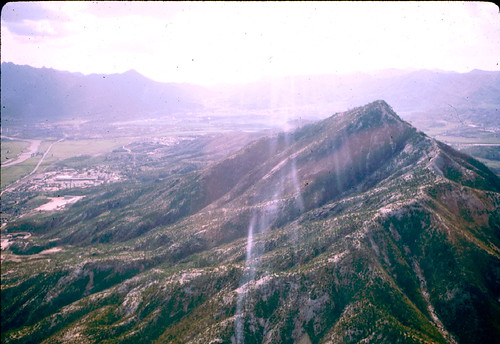
In 62 it was the location for the 9th Ord Detachment (Direct Support) HAWK. The 9th later became a part of the 2/71st ADA Artillery.
Any leads about the area would be very much appreciated.
Thanks. and compliments on the wonderful work.

uijeongbu ,60-62 co.c 51st signal bn.I corp. most compounds were co. size,like 55th M.P.s , 3rd L.A.S, camp red cloud was 3-4 miles away. outside our co.wire the houses [houches]were mud with thach roofs.the people were very poor,hard workers.my heart broke for the children life was hard , winter deadly for them.
i’m glad things have improved so much over there.
thank you for this great site.
rance

just browsing thru,,shocked at the improvements,was at 128th aviation co uijong-bu 73-74. nothing there then except hangers and barracks,had a good time but lost and found some very good friends,changed my life forever, skoshi-man

– See more at: http://webcache.googleusercontent.com/search?q=cache:ILamordv0HsJ:rokdrop.com/2011/07/25/a-profile-of-uijongbu-south-korea/+&cd=1&hl=en&ct=clnk&gl=us#sthash.Rb200M7G.dpuf